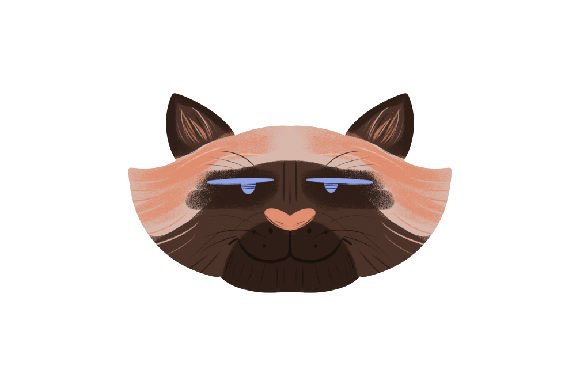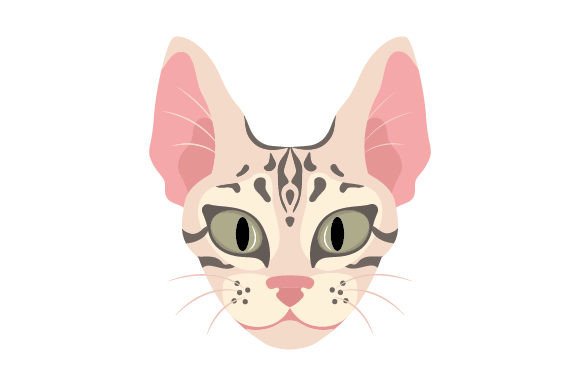
Bengal Cat Floating Head
As an embroidery designer and product reviewer, I’ve evaluated countless machine embroidery designs. The Bengal Cat Floating Head stands out for its unique visual appeal and practical usability in real-world projects. This design isn’t just a pretty image—it’s a versatile asset that can elevate handmade products, custom apparel, and commercial embroidery work. But like any design, it has its strengths and limitations that need to be understood before use.
The First Impression: A Bold and Playful Design
From the moment I viewed the Bengal Cat Floating Head, I was struck by its dynamic composition. The cat’s head is centered with a sense of movement, as if it’s floating or levitating. The design features a mix of bold outlines and subtle shading, giving it a three-dimensional feel without being overly complex. The level of detail is impressive, especially for a design that could be used on a variety of fabrics and garments.
The theme is clearly feline, with the distinctive markings of a Bengal cat—spots, stripes, and a wild, exotic look. This makes it ideal for projects that aim to capture the essence of a wild animal while maintaining a clean, modern aesthetic. The layout is well-balanced, making it easy to adapt for different sizes and applications.
Real-World Use Cases: Where It Shines
I tested the Bengal Cat Floating Head on several projects, including a custom embroidered tote bag, a sweatshirt, and a baby onesie. In each case, the design held up well, offering a clear and recognizable image that would appeal to cat lovers. The design’s simplicity allows it to be easily adapted for different fabric types and project scales.
For example, on a tote bag, the design looked sharp and professional, especially when using a combination of satin stitch and fill stitch. On a baby onesie, the same design worked beautifully, adding a whimsical touch without overwhelming the garment. The floating head concept also makes it a great choice for patches, where the cat’s face can be the focal point of a larger design.
This design is particularly suited for small business owners and Etsy sellers looking to create personalized gifts, boutique merchandise, or holiday-themed items. Its versatility means it can be used across multiple product lines, from clothing to home decor, without needing significant modifications.
Where to Be Cautious: Limitations and Considerations
While the Bengal Cat Floating Head is visually appealing, there are certain situations where it may not perform as well. For instance, on small hoop sizes, the design might require splitting into sections, which can complicate the stitching process. If you’re working with thin or stretchy fabrics, the design may lose some of its clarity due to the fabric’s texture or movement during stitching.
On dark fabrics, the design’s contrast can be an issue unless you choose the right thread colors. I found that using a light-colored thread against a dark background made the design pop, but it’s important to test this before committing to a full project. Similarly, on textured fabrics, the details may not show as clearly as they do on smooth materials.
For curved surfaces like caps or hats, the design may require some adjustment to ensure the cat’s head sits correctly. The floating effect works best on flat surfaces where the design can be fully visible without distortion.
Impact on Visual Appeal and Customer Perception
The Bengal Cat Floating Head adds a strong visual element to any finished product. Its clear lines and defined features make it stand out, which is crucial for handmade products that need to catch a customer’s eye. When used on custom apparel or personalized gifts, the design can significantly boost the perceived value of the item.
Customers often respond positively to recognizable and well-executed designs. The Bengal Cat Floating Head is both familiar and unique, making it a great choice for gifts or branded merchandise. It also helps build trust in handmade products, as the quality of the embroidery reflects the care and attention put into the design.
For small shop owners and craft businesses, this design can help maintain brand consistency across different product lines. Whether it’s a holiday gift, a boutique item, or a digital product preview, the Bengal Cat Floating Head offers a cohesive and professional look that aligns with creative entrepreneurship goals.
Practical Designer Notes: What to Check Before Using
Before using the Bengal Cat Floating Head in your own projects, here are a few key steps to take:
- Test on scrap fabric: Always try the design on a sample piece of fabric to see how it looks and stitches.
- Check thread color contrast: Ensure the thread color complements the fabric and enhances the design’s visibility.
- Review stitch density: Make sure the design isn’t too dense, which can cause puckering or fabric damage.
- Confirm hoop size: If the design is large, check whether your embroidery machine can accommodate it in one hoop.
- Inspect small details: Look closely at the design’s corners and edges to ensure they’ll stitch cleanly.
- Test in black and white mockups: This helps assess how the design will look on different fabric backgrounds.
- Use proper stabilizer: Stabilizer is essential for maintaining the design’s shape and preventing distortion.
- Check licensing: Confirm whether the design is suitable for commercial use or if additional permissions are required.
By taking these steps, you can ensure that the Bengal Cat Floating Head delivers the best possible results in your embroidery projects, whether for personal use or resale.
Final Thoughts: A Design That Works Well in the Right Context
The Bengal Cat Floating Head is a solid machine embroidery design that offers both aesthetic appeal and practical usability. It fits well into a wide range of projects, from custom apparel to personalized gifts and small business merchandise. However, like any design, it requires thoughtful application to maximize its potential.
If you’re an embroidery designer, Etsy seller, or small shop owner, the Bengal Cat Floating Head is worth considering for your next project. Just remember to test it thoroughly, adjust for fabric type and project needs, and use it in a way that highlights its strengths. With the right approach, this design can become a valuable addition to your collection of embroidery files and design assets.