Black Cat Sleeping
As an embroidery designer and product reviewer, I’ve evaluated countless machine embroidery designs. Black Cat Sleeping stands out for its charm and versatility, but it’s not a one-size-fits-all solution. This design is perfect for a range of projects, from custom apparel to personalized gifts, but it requires thoughtful application to achieve the best results.
The First Impression: A Quiet, Cozy Mood
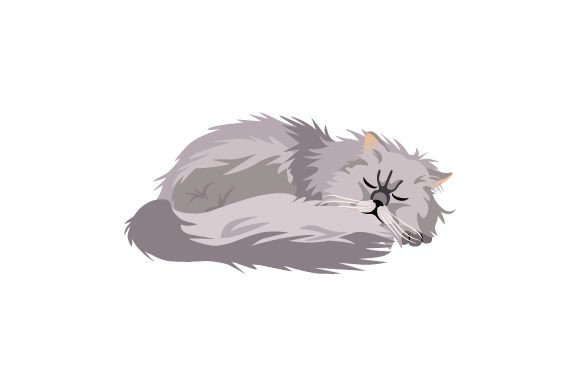
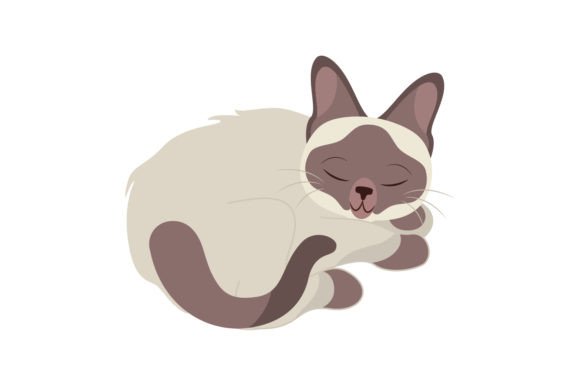
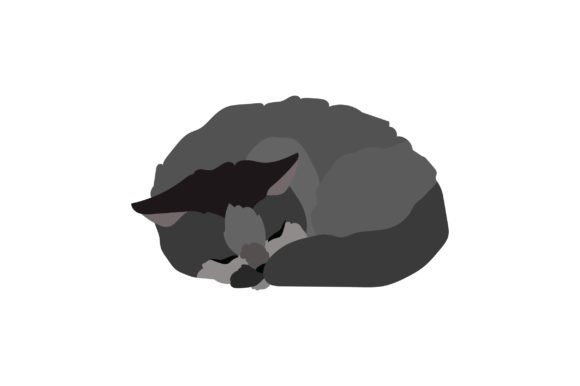
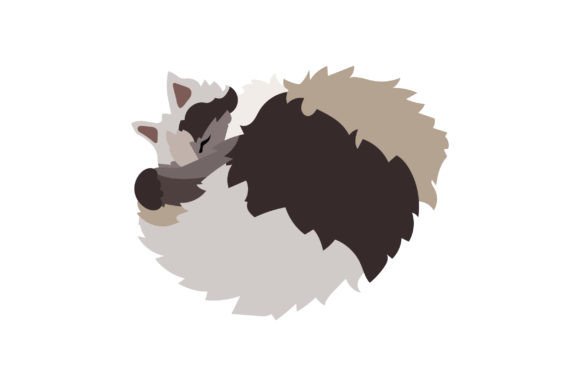
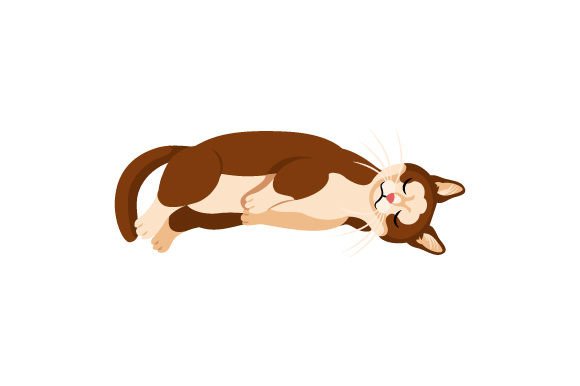
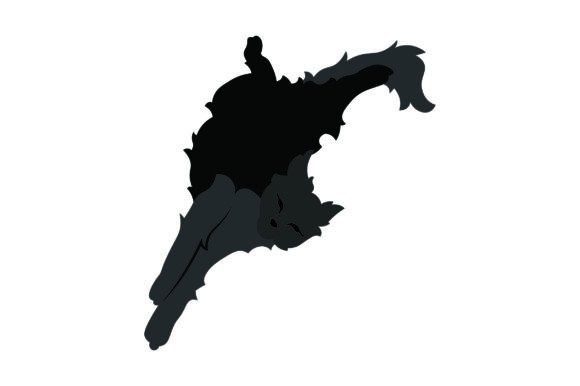
Black Cat Sleeping immediately evokes a sense of calm and comfort. The design features a stylized black cat curled up in a peaceful pose, with soft curves and subtle shading that suggest a sleeping feline. The composition is balanced, with enough detail to be visually engaging without being overly complex. This makes it ideal for projects where the focus is on the character rather than intricate stitching.
The theme fits well within the Cats category, offering a whimsical touch that can appeal to both children and adults. It’s not a high-contrast or bold design, which means it works best on lighter backgrounds or when paired with complementary thread colors.
Real-Life Embroidery Scenarios: Where It Shines
Imagine you’re creating a custom embroidered tote bag for a boutique shop. Black Cat Sleeping would make a great centerpiece, especially if the bag is meant for casual wear or as a gift. The design’s size and layout allow it to fit comfortably on the front or side of a tote without overwhelming the fabric.
For a sweatshirt embroidery project, this design could be placed on the chest or back. Its simplicity ensures that it won’t get lost in the fabric texture, and the clean lines make it easy to stitch with minimal complications. It also pairs well with other design elements, such as text or smaller motifs, making it a flexible choice for layered embroidery work.
In baby items, like onesies or blankets, Black Cat Sleeping could serve as a gentle, non-intrusive design. The softness of the cat’s shape and the lack of sharp edges make it suitable for nurseries or bedtime routines. However, it’s important to ensure that the design is large enough to be clearly visible on small garments.
Where to Be Cautious: Design Limitations
While Black Cat Sleeping is versatile, there are some situations where it may not perform as well. On small hoop sizes, the design might feel cramped, especially if the details are too fine. This could lead to stitching issues or an unbalanced look on the finished product.
Textured fabrics, such as denim or knitted materials, can affect how the design appears. The cat’s form may not show up as clearly, and the stitching could become distorted. Thin or stretchy fabrics may require additional stabilizer to prevent puckering or distortion during the embroidery process.
On dark fabrics, the design may appear too faint unless the thread color is carefully chosen. For example, using a light-colored thread on a black background might not provide enough contrast. Testing the design on different fabric types is essential before committing to a larger project.
Visual Appeal and Customer Perception
Black Cat Sleeping has a natural, handcrafted feel that can enhance the visual appeal of any handmade product. When stitched correctly, it adds a personal touch that customers appreciate, especially in the realm of personalized gifts or custom apparel.
Stitching clarity is key here. If the design is too dense or the stitch density is uneven, it could look cluttered or unprofessional. Ensuring that the design is optimized for the intended fabric and project type will help maintain a polished finish.
From a business perspective, this design can add value to your product lineup. It’s perfect for Etsy sellers or small shop owners looking to offer unique, cat-themed items. The design’s simplicity allows for quick production, which is ideal for seasonal or holiday merchandise.
Practical Designer Notes: Tips for Success
Before using Black Cat Sleeping on your next project, test it on scrap fabric. This will help you assess how the design looks in real life and identify any potential issues with the stitch pattern or thread color.
Check the stitch density to ensure it’s appropriate for the fabric you’re using. Too much density can cause the fabric to pucker, while too little may result in a weak or incomplete design.
Confirm the hoop size required for the design. If it’s too large for your machine, consider resizing it or adjusting the layout to fit your equipment.
Inspect the small details closely. Even minor imperfections in the design can become more noticeable when stitched. Pay attention to corners, curves, and any areas with intricate lines.
Test the design in black and white mockups to see how it looks on different backgrounds. This will help you decide whether it needs adjustments for specific fabric colors or project types.
Use the right stabilizer for your fabric type. This will prevent puckering and ensure that the design remains crisp and clear after stitching.
Finally, always confirm the licensing terms before selling finished items or digital products. Make sure the design is suitable for both personal and commercial use, and check if any restrictions apply.
Final Thoughts: A Design That Needs Careful Handling
Black Cat Sleeping is a charming and functional design that can work well in a variety of embroidery projects. Its simple yet expressive style makes it ideal for custom apparel, baby items, and personalized gifts. However, it requires careful consideration when it comes to fabric type, hoop size, and stitch settings.
For embroidery designers, craft business owners, and handmade shop operators, this design offers a great opportunity to create unique, appealing products. With the right approach, Black Cat Sleeping can become a valuable addition to your collection of machine embroidery designs.