British Short Hair Cat Jumping
As an embroidery designer and product reviewer, I’ve evaluated countless machine embroidery designs. British Short Hair Cat Jumping stands out for its charm and versatility, but it’s not a one-size-fits-all solution. Let me walk through how this design performs in real-world projects and what to consider before using or selling it.
A First Impression of British Short Hair Cat Jumping
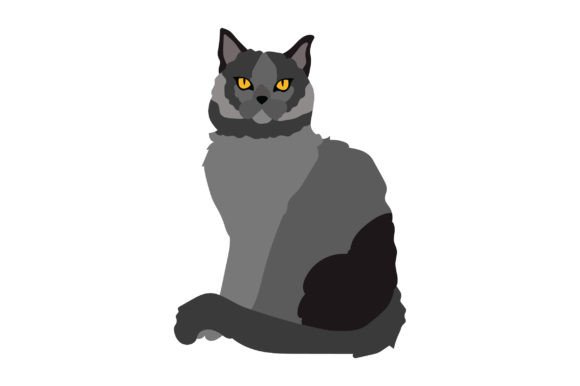
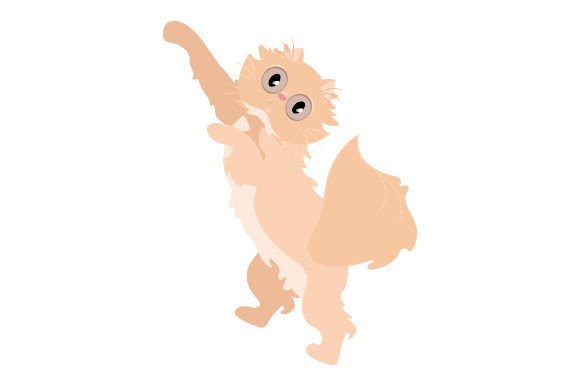
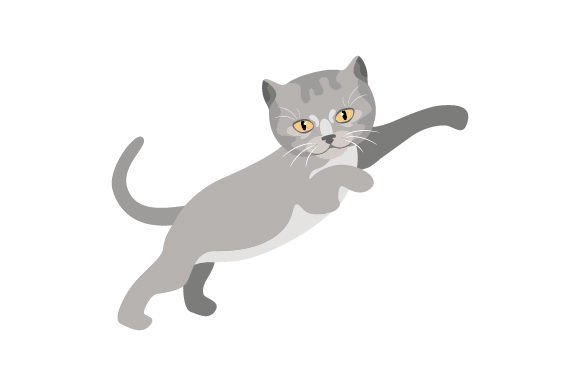
The British Short Hair Cat Jumping design immediately evokes a playful, dynamic energy. The cat is mid-action, leaping with a sense of motion that feels alive. The composition is balanced, with enough detail to make the cat recognizable without being overly complex. It has a clean, modern aesthetic that would work well in both casual and more refined settings.
The layout is ideal for centered placements on items like tote bags, sweatshirts, or baby onesies. It doesn’t require too much space, which makes it suitable for smaller projects. However, the level of detail—especially in the fur and facial features—means it’s best suited for medium to large hoop sizes. If you’re planning to use it on a small patch or cap, you might need to simplify or scale it down.
How British Short Hair Cat Jumping Performs in Real Embroidery Projects
This design works well in custom apparel, especially on t-shirts, sweatshirts, and tote bags. The jumping cat adds a fun, eye-catching element that can elevate a simple garment into a standout piece. For handmade products, it’s perfect for personalized gifts, such as baby clothes, holiday ornaments, or embroidered patches.
When used on a tote bag design, the cat’s movement gives the item a lively feel. On a sweatshirt, it can be a focal point that draws attention. For baby items, the design is gentle and non-threatening, making it a safe choice for nursery decor or onesies.
It also has potential for commercial embroidery projects. As a digital embroidery file, it can be sold as part of a collection for Etsy sellers or craft businesses. Its appeal is broad enough to attract a variety of customers, from cat lovers to those looking for unique, handmade products.
Where British Short Hair Cat Jumping Needs Careful Handling
While British Short Hair Cat Jumping is visually appealing, it does have some limitations. On small hoop sizes, the details may become too compressed, leading to a less clear finished product. If you're working with textured fabrics or thin materials, the stitch density could cause puckering or distortion.
On stretchy or dark fabrics, the design might not show up as clearly. You’ll want to test thread color contrast carefully, especially if you’re using it on black or deep-colored garments. The same goes for curved surfaces like caps or hats—stitching on these can be tricky and may require additional stabilizer support.
If you plan to use British Short Hair Cat Jumping on layered garments or products that will be washed frequently, you should ensure the design is durable enough. Dense stitch areas, like the cat’s body, may need extra reinforcement to prevent fraying over time.
Impact on Visual Appeal and Customer Perception
British Short Hair Cat Jumping has strong visual appeal, especially when stitched with care. It adds a sense of personality to any project, making it more than just a generic design. This can increase the perceived value of handmade products, as customers often appreciate unique, character-driven elements.
For small shop products or Etsy listings, this design can help build brand consistency. It fits well with themes like pet-related merchandise, whimsical crafts, or seasonal gifts. When presented properly, it can enhance buyer engagement and encourage repeat purchases.
However, if the stitching isn’t done correctly, the design can lose its impact. Poorly executed satin stitch or fill stitch can make the cat look flat or distorted. That’s why testing the design on scrap fabric first is crucial. It allows you to fine-tune your technique and ensure the final product meets your standards.
Practical Notes for Embroidery Designers and Crafters
Before using British Short Hair Cat Jumping in your next project, here are a few key considerations:
- Test on scrap fabric: Always check how the design looks on different materials before committing to a final product.
- Review stitch density: Ensure the design isn’t too dense, especially if you’re working with delicate or stretchy fabrics.
- Confirm hoop size: Make sure your machine can handle the size required for the design’s details.
- Inspect small details: Pay attention to corners, outlines, and any intricate parts of the cat’s form.
- Check thread color contrast: Use colors that stand out against the fabric, especially on dark backgrounds.
- Use proper stabilizer: This helps prevent puckering and ensures the design stays in place during stitching.
- Verify licensing: Confirm whether the design is suitable for commercial use, especially if you’re selling finished items or digital products.
For digital product sellers, this design can be a valuable addition to your library of printable mockups or design assets. But always double-check the terms of use to avoid any legal issues.
Final Thoughts on British Short Hair Cat Jumping
British Short Hair Cat Jumping is a versatile design that can fit into a wide range of embroidery projects. Whether you're creating custom apparel, personalized gifts, or small business merchandise, it offers a fun and engaging visual element. However, its success depends on how well it’s executed and how it’s applied to the final product.
For designers and crafters, this is a great opportunity to add personality to their work. Just remember to approach it with care, test thoroughly, and consider the practical aspects of each project. With the right technique and attention to detail, British Short Hair Cat Jumping can become a favorite in your embroidery arsenal.