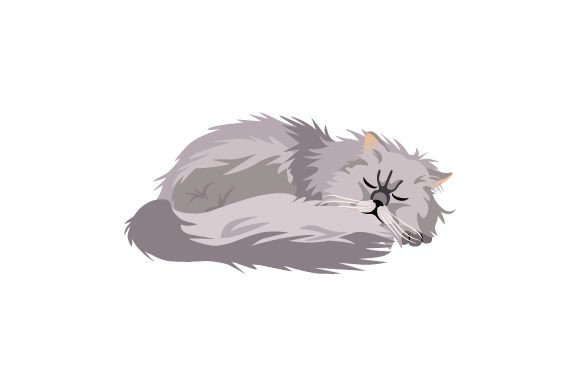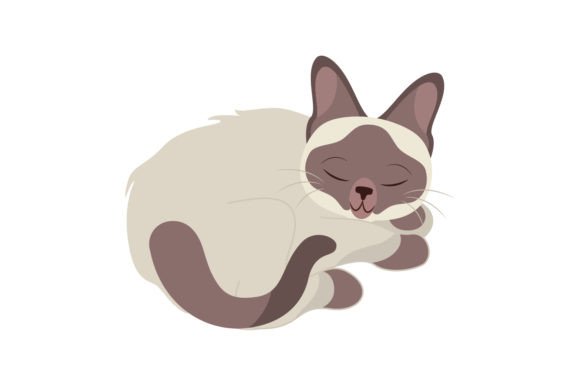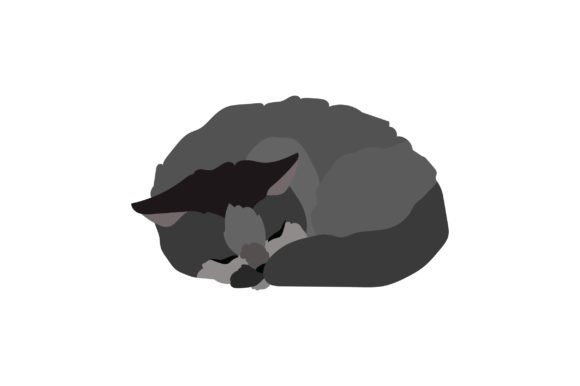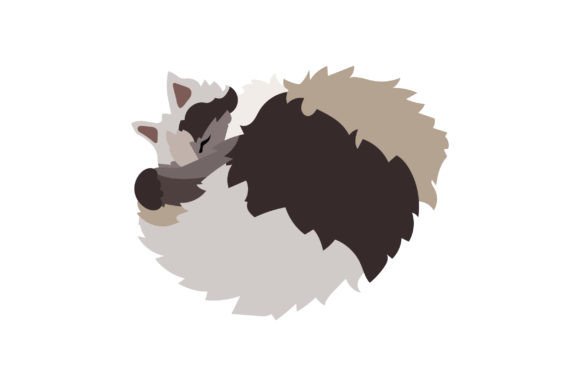
Tabby Cat Sleeping
As an embroidery designer and product reviewer, I often find myself evaluating new designs with a critical eye—especially when they’re meant for real-world use. The Tabby Cat Sleeping design caught my attention not just for its cute subject, but for how it might translate into practical projects. From custom apparel to handmade gifts, this design has potential—but like any good embroidery file, it requires thoughtful application.
The First Impression: A Cozy, Laid-Back Mood
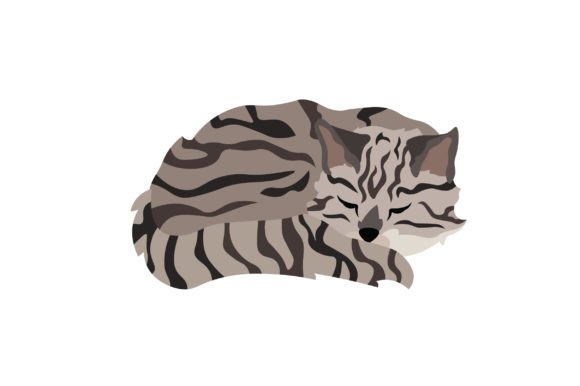
When I first saw Tabby Cat Sleeping, the image felt warm and inviting. The cat is depicted in a relaxed pose, curled up as if taking a nap. The overall layout is simple yet expressive, with enough detail to make the design recognizable without being overly complex. This makes it ideal for projects that aim to evoke comfort and familiarity—think baby items, cozy home décor, or personalized gifts.
The shape and theme of Tabby Cat Sleeping suggest a soft, approachable aesthetic. It’s not the kind of design that demands attention through bold lines or intricate patterns; instead, it relies on subtle expression and gentle curves. That’s not a weakness—it’s a strength, especially when considering the target audience of small business owners, Etsy sellers, and crafters who want to create something that feels personal and meaningful.
Real-Life Embroidery Use Cases
I tested Tabby Cat Sleeping on a few different fabrics and project types to see how it would perform in real situations. One of the first applications I considered was a custom embroidered tote bag. The design fits well within a standard hoop size, making it suitable for most home embroidery machines. On a cotton tote, the details were clear, and the overall look was clean and professional.
For a sweatshirt or t-shirt, Tabby Cat Sleeping would work nicely as a front or back design. The simplicity of the composition means it won’t overwhelm the garment, and the soft lines make it adaptable to both casual and more refined styles. It also pairs well with light-colored fabrics, where the stitching stands out without needing excessive thread contrast.
On baby clothes, the design could be a hit. Parents often look for comforting, familiar images for their children’s onesies, blankets, or sleep sacks. Tabby Cat Sleeping offers that sense of calm and familiarity, which can be reassuring for little ones. Just be sure to test it on a soft, stretchy fabric to avoid puckering or distortion.
Where to Be Cautious
While Tabby Cat Sleeping is versatile, there are some scenarios where it might not perform as well. For instance, on small hoop sizes, the design may require some adjustment or cropping to fit properly. If you're working with textured fabrics like denim or canvas, the stitch density might need to be adjusted to prevent the design from looking too stiff or rigid.
On thin or stretchy fabrics, such as those used in baby onesies or undergarments, the design could become distorted if not stabilized properly. Using the right type of stabilizer is crucial here. Also, on dark fabrics, the design might appear less defined unless the thread colors are carefully chosen to stand out against the background.
If you're planning to use Tabby Cat Sleeping on curved surfaces like caps or hats, be mindful of how the design flows around the curve. Some areas may require repositioning or adjusting the placement to maintain visual balance.
Impact on Visual Appeal and Customer Perception
One of the things I appreciate about Tabby Cat Sleeping is how it enhances the visual appeal of a finished product. When stitched correctly, it adds a touch of personality and charm that can elevate a basic item into something special. Whether it's a handmade pillow cover or a custom apron, the design brings a sense of warmth and character that customers often respond to positively.
From a commercial perspective, Tabby Cat Sleeping has strong potential as a digital product or printable mockup. Its simplicity makes it easy to adapt for different uses, and its nostalgic appeal can help drive engagement on platforms like Etsy or social media. However, it's important to ensure that the design works across different color schemes and backgrounds before finalizing any product listings.
Practical Designer Notes
Before using Tabby Cat Sleeping in any project, I always recommend testing it on scrap fabric. This helps identify any issues with stitch density, thread color contrast, or fabric compatibility. Pay close attention to the small details—like the cat's eyes or the texture of the fur—to make sure they come through clearly in the final embroidery.
Also, consider how the design will look in black and white mockups. This can help determine if the design is versatile enough for different branding or marketing needs. If you're planning to sell finished products, check the licensing terms to ensure the design is suitable for commercial use.
Overall, Tabby Cat Sleeping is a solid choice for anyone looking to add a friendly, cozy element to their embroidery projects. Whether you're creating personalized gifts, custom apparel, or small shop merchandise, this design has the potential to enhance your offerings and connect with your audience in a meaningful way.