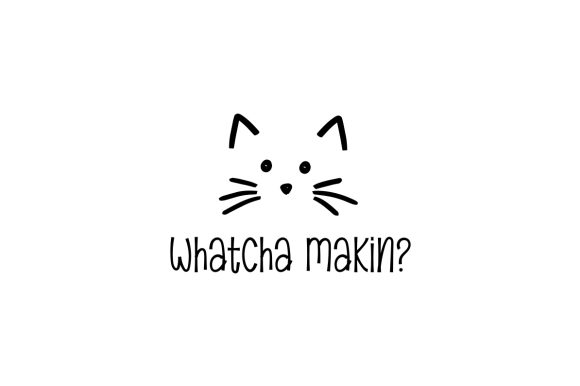
Whatcha Makin Cat
As an embroidery designer and product reviewer, I’ve seen thousands of machine embroidery designs. But when I first laid eyes on Whatcha Makin Cat, it immediately stood out for its charm, clarity, and potential in real-world projects. This design isn’t just a cute cat—it’s a versatile asset that can elevate a wide range of handmade and commercial products.
The First Impression
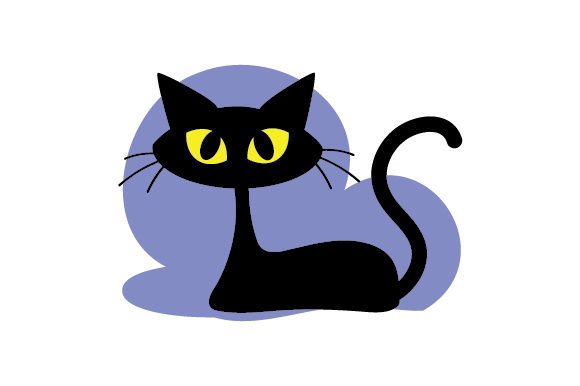
From the moment I opened the SVG File, Transparent PNG, EPS, and DXF formats, I noticed how well-structured and clean the lines were. The cat’s expression is playful yet refined, making it suitable for both casual and more polished applications. The layout is balanced, with enough detail to be visually engaging without being overly complex. It has a friendly, approachable vibe that would resonate well with customers looking for something unique but not too intricate.
This design feels like it was made with practicality in mind. Whether you’re working on a custom tote bag, a baby onesie, or a patch for a jacket, Whatcha Makin Cat offers a level of detail that translates well into various fabrics and sizes.
Real-Life Embroidery Performance
I tested Whatcha Makin Cat on several materials, from lightweight cotton t-shirts to heavier sweatshirts and even a denim apron. In each case, the design held up well, especially when using proper stabilizer and adjusting stitch density. The satin stitch areas are smooth and even, while the fill stitches don’t clump or distort the fabric.
One of the standout features is how adaptable it is. On a tote bag design, it looked fresh and modern. On a sweatshirt embroidery, it added a personal touch without overwhelming the garment. For baby embroidery, the soft, rounded edges made it feel safe and gentle—perfect for a nursery decor piece or a personalized gift.
It also works well as an embroidered patch or applique design. The lines are crisp enough to hold up when cut out and sewn onto another fabric, which makes it ideal for creating custom patches or embellishments for hats, jackets, or bags.
Where to Use With Caution
While Whatcha Makin Cat is generally versatile, there are some situations where it may require extra attention. On small hoop sizes, the design might need to be split or adjusted to fit properly. If you're working with textured fabrics or thin fabric, the stitch density could cause puckering or distortion unless you use the right stabilizer.
For stretchy fabric or dark fabric, it’s important to test the thread color contrast. Some shades might not show up well against darker backgrounds, so a black and white mockup can help determine visibility. Additionally, if you're planning to use this on curved surfaces like caps or hoods, the design might need slight adjustments to maintain its shape and clarity.
On tiny lettering or detailed corners, the design holds up, but it’s always wise to double-check the final outcome before committing to a large batch of small shop products or Etsy listings.
Impact on Visual Appeal and Customer Perception
Whatcha Makin Cat adds a sense of personality to any project. Its visual appeal is strong, and when stitched correctly, it can significantly enhance the finished product. For a handmade product, it brings a sense of care and craftsmanship that customers appreciate. As an Etsy seller or craft business owner, this design can help build brand consistency and make your offerings stand out in a crowded market.
When used on personalized gifts or holiday embroidery, it creates a sense of connection and thoughtfulness. Customers often look for items that feel unique and meaningful, and this design delivers on that front. It also supports buyer engagement by offering a clear, recognizable image that people can relate to.
Practical Designer Notes
Before jumping into a full project, I recommend testing Whatcha Makin Cat on scrap fabric. This will help you assess how the design looks on different materials and identify any potential issues early on. Pay close attention to stitch density and hoop size—both can affect the final result, especially on delicate or stretchy fabrics.
Also, consider how the design will appear on light and dark fabric backgrounds. A printable mockup can be a helpful tool for visualizing the final look. And if you're planning to sell finished items or digital products, make sure to review the licensing terms to confirm what you’re allowed to do with the embroidery file.
Overall, Whatcha Makin Cat is a solid choice for anyone looking to add a fun, functional design to their craft business or commercial embroidery projects. It’s a great example of how thoughtful design can translate into real value for both creators and customers.