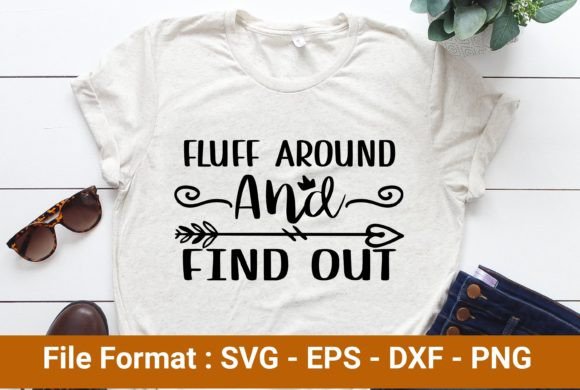
Fluff Around and Find Out
As an embroidery designer with years of experience, I always start by evaluating a design’s potential before using it in real projects. Fluff Around and Find Out is a digital embroidery file that promises to bring charm and creativity to custom apparel, handmade products, and craft business items. But does it deliver on its promise? Let’s break it down.
The First Impression
Fluff Around and Find Out immediately evokes a playful, whimsical mood. The design features soft shapes and a friendly layout that feels like a child’s drawing brought to life. It has a light, airy aesthetic that works well for baby items, personalized gifts, and casual wear. The visual personality is approachable, making it ideal for a range of embroidery projects, from tote bags to aprons.
The detail level is moderate—enough to be visually engaging but not so intricate that it becomes overwhelming. This makes it versatile for different fabric types and project sizes. Whether you’re creating a simple embroidered patch or a more detailed sweatshirt design, the balance of simplicity and charm is a strong point.
Real-World Embroidery Use Cases
Imagine preparing a custom embroidered tote bag for a client who wants something unique and eye-catching. Fluff Around and Find Out could work well as a central motif, especially if the design is placed on the front of the bag. Its size and shape make it suitable for medium-sized hoops, which is great for most home embroidery machines.
For a small business owner selling handmade products, this design could be a valuable addition to your catalog. It fits well with the trend of cute, personalized items that appeal to a broad audience. As an Etsy seller, you might find it useful for creating printable mockups or digital product previews that showcase the design in different contexts.
When used on a sweatshirt or t-shirt, Fluff Around and Find Out can add a touch of personality without being too bold. It’s perfect for casual wear and would likely resonate with customers looking for something fun and expressive. However, keep in mind that the design’s soft lines may not translate as well on stretchy or thin fabrics, where clarity can be an issue.
Where to Be Cautious
While Fluff Around and Find Out is a good choice for many projects, there are some situations where it might not perform as expected. If you’re planning to use it on a small hoop, you’ll need to ensure the design scales properly. Some details may get lost if the hoop is too tight or the design is resized incorrectly.
Textured fabrics, such as canvas or denim, can also affect how the design looks. The stitch density and stabilizer choice become crucial here. On dark or layered garments, the thread color contrast will play a big role in how visible the design is. You may need to adjust the colors or use a lighter thread to make sure the design stands out.
For curved surfaces like caps or hats, the design’s shape may require some adjustment. Tiny lettering or intricate corners could be challenging to stitch accurately. If you’re planning to use it on a baby item or a delicate garment, testing it on scrap fabric first is essential to ensure it looks clean and professional.
Impact on Visual Appeal and Customer Trust
Fluff Around and Find Out has the potential to enhance the visual appeal of your finished product. Its friendly, approachable look can make a handmade product feel more personal and unique. For small shop merchandise or boutique branding, this design could help build a cohesive aesthetic that resonates with your target audience.
When it comes to customer trust, the quality of the embroidery matters. A well-executed design like this can increase buyer engagement and encourage repeat purchases. However, if the stitching isn’t clear or the design doesn’t match the fabric, it could lead to dissatisfaction. That’s why it’s important to test the design thoroughly before offering it as a finished product.
As a creative entrepreneur, you know that the value of your work depends on attention to detail. Fluff Around and Find Out can be a strong asset in your design library, but only if it’s used thoughtfully. It’s not just about the design itself—it’s about how it fits into your overall brand and the expectations of your customers.
Practical Designer Notes
Before using Fluff Around and Find Out in any project, I recommend testing it on scrap fabric. This helps you see how the stitches look on different materials and identify any issues early on. Check the thread color contrast, especially if you’re planning to use it on dark or patterned fabrics.
Review the stitch density to make sure it’s appropriate for the fabric you’re using. Too dense, and it could cause puckering; too sparse, and the design might not hold up over time. Confirm the hoop size needed for the design and make sure it’s compatible with your machine.
Inspect the small details closely. Are the corners sharp? Is the stitching consistent? These elements can make a big difference in the final result. Test the design in black and white mockups to see how it looks without color. Compare it against both light and dark fabric backgrounds to ensure visibility.
Use the proper stabilizer for the fabric type. This is especially important for stretchy or thin materials. Also, check whether the design works for both personal and commercial projects. Make sure you understand the licensing terms before selling finished items or digital products.
Final Thoughts
Fluff Around and Find Out is a charming design that can fit well into a variety of embroidery projects. Its friendly aesthetic and moderate detail level make it a good choice for custom apparel, handmade products, and small business merchandise. However, like any machine embroidery design, it requires careful consideration to ensure it looks its best on the final product.
As an experienced designer, I believe this design has potential, but it’s not one-size-fits-all. With the right approach and attention to detail, it can add value to your craft business and delight your customers. Just remember: the success of any embroidery project depends on more than the design itself—it’s about how you bring it to life.