Persian Cat Jumping
As an embroidery designer and product reviewer, I’ve evaluated countless machine embroidery designs. Persian Cat Jumping stands out for its unique charm and versatility. But like any design, it has strengths and limitations that matter when planning real projects. Let’s dive into what this design offers—and what to watch for—when using it in custom apparel, handmade products, or commercial embroidery.
The First Impression: A Playful Feline in Motion
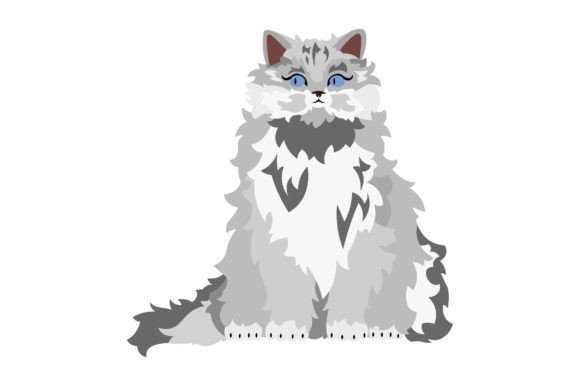
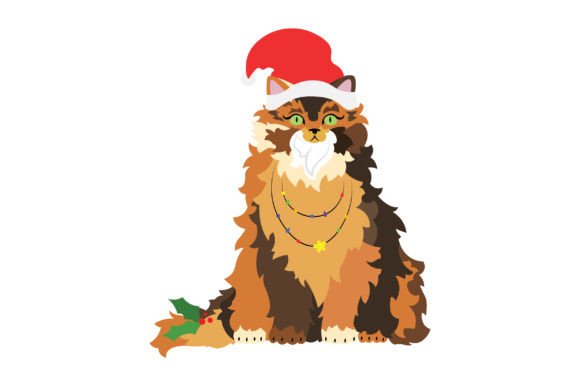
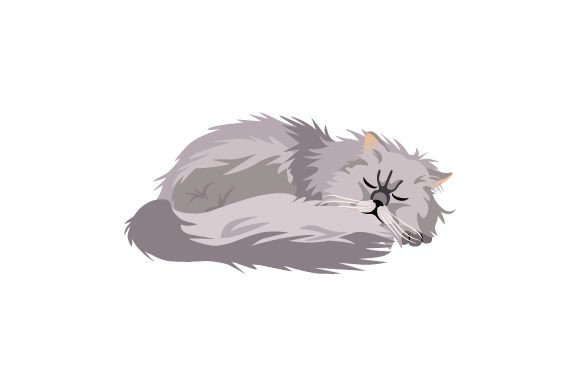
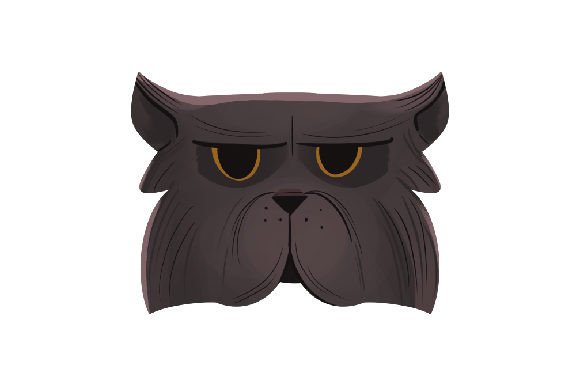
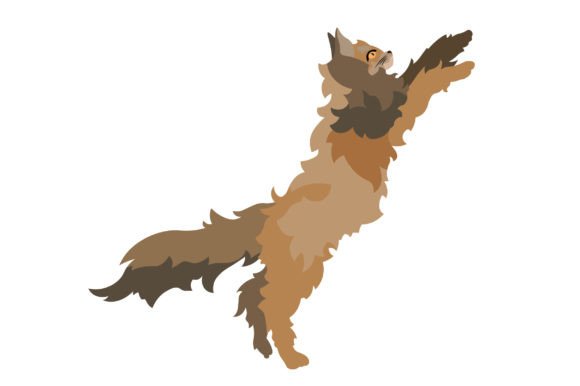
Persian Cat Jumping immediately captures attention with its dynamic pose. The cat appears mid-leap, adding energy and personality to any project. The composition is balanced, with the cat centered and slightly off-center elements creating visual interest. The level of detail is impressive, especially in the facial features and fur texture, which suggest a mix of satin stitch and fill stitch techniques.
This design feels ideal for projects that require a touch of whimsy. It’s not overly complex, but it’s detailed enough to stand out on items like tote bags, sweatshirts, or baby clothes. The theme fits well within the Cats category, and its style aligns with Crafts as a whole—especially for handmade products that aim to be both functional and visually appealing.
Real-World Use: Where Persian Cat Jumping Shines
Imagine preparing a custom embroidered tote bag for a client who loves cats. Persian Cat Jumping would make a great centerpiece. Its size and layout work well on a 4x4 hoop, making it suitable for most home embroidery machines. The design doesn’t have too many tiny details that could get lost on smaller fabrics, so it’s practical for everyday use.
For small business owners and Etsy sellers, this design could be a hit in seasonal or holiday-themed merchandise. It’s also perfect for personalized gifts, such as baby onesies, aprons, or pillow covers. The visual appeal is high, and the design’s simplicity allows for easy customization with different thread colors or background fabrics.
When used as an applique design, Persian Cat Jumping can add a three-dimensional effect to patches or decorative accents. It also works well in printable mockups, helping designers showcase how the final product will look before production.
Where to Be Cautious: Limitations and Practical Considerations
While Persian Cat Jumping is versatile, it’s not without its challenges. For instance, if you’re working with small hoop sizes, you may need to adjust the design or split it into sections. This could complicate the stitching process, especially if you’re not familiar with resizing or repositioning files.
Fabric texture also matters. On thin or stretchy materials, the design might not hold up as well. You’ll want to use the right stabilizer to prevent puckering or distortion. Dark fabrics can also be tricky—if the design uses light-colored threads, it may not show up clearly. Testing on scrap fabric first is always a good idea.
Another consideration is the stitch density. If the design is too dense, it could cause the fabric to pucker or the stitches to become too stiff. Checking the file’s stitch count and adjusting as needed will help maintain the quality of the finished product.
Impact on Visual Appeal and Customer Perception
When properly executed, Persian Cat Jumping adds a professional touch to any project. It enhances the visual appeal of custom apparel and handmade products, making them more attractive to buyers. The design’s clarity and balance contribute to a sense of quality, which can increase customer trust and satisfaction.
For craft businesses and small shop owners, this design can be a valuable asset. It’s easy to market as a unique, eye-catching element that fits well with a variety of products. Whether it’s used on a holiday gift, a boutique item, or a digital product preview, Persian Cat Jumping has the potential to boost engagement and drive sales.
Practical Designer Notes: What to Check Before Using
Before jumping into your next embroidery project with Persian Cat Jumping, here are a few key steps to take:
- Test on scrap fabric: Always test the design on a similar material to see how it looks and behaves.
- Check thread color contrast: Ensure the chosen thread colors work well with your fabric and design intent.
- Review stitch density: Adjust the density if needed to avoid puckering or stiffness.
- Confirm hoop size: Make sure the design fits your machine’s hoop size or plan for adjustments.
- Inspect small details: Pay attention to corners, lines, and any intricate areas that may need extra care.
- Test in black and white: See how the design looks without color to understand its structure and balance.
- Compare with light and dark backgrounds: This helps determine how visible the design will be in different settings.
- Use proper stabilizer: Stabilizer is crucial for maintaining the design’s integrity, especially on delicate or stretchy fabrics.
- Verify licensing: Confirm whether the design is suitable for commercial use or if there are restrictions on selling finished items or digital products.
Final Thoughts: A Versatile Design with Thoughtful Application
Persian Cat Jumping is a design that blends creativity with practicality. It’s perfect for a wide range of embroidery projects, from custom apparel to personalized gifts. However, like any machine embroidery design, it requires thoughtful application to ensure the best results.
Whether you're an experienced embroiderer or just starting out, Persian Cat Jumping offers a fun and engaging way to add character to your work. With the right approach, it can elevate your craft business, enhance your product offerings, and delight your customers.