Persian Cat Sitting Review
As an embroidery designer and product reviewer, I often find myself evaluating machine embroidery designs for real-world use. Persian Cat Sitting is one such design that caught my attention for its charm and potential in various creative projects. Let’s dive into what this design offers and how it might fit into your craft business or personal embroidery work.
The First Impression: A Lively, Elegant Design
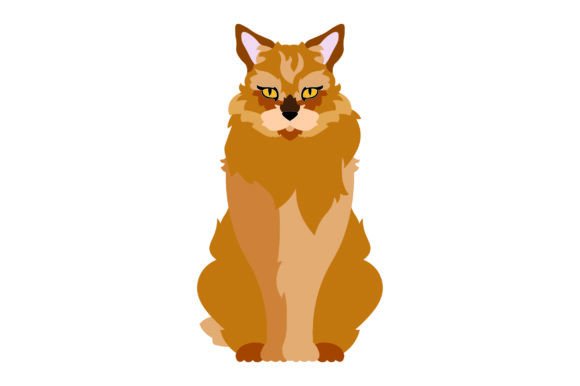
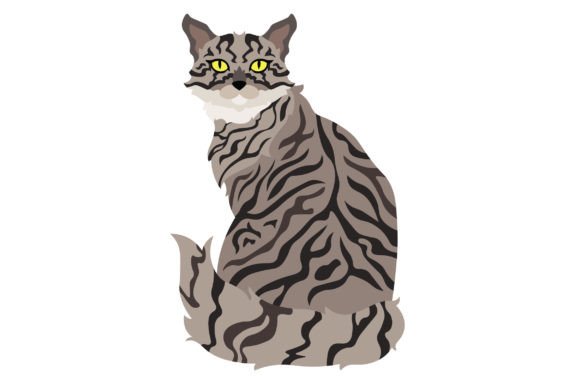
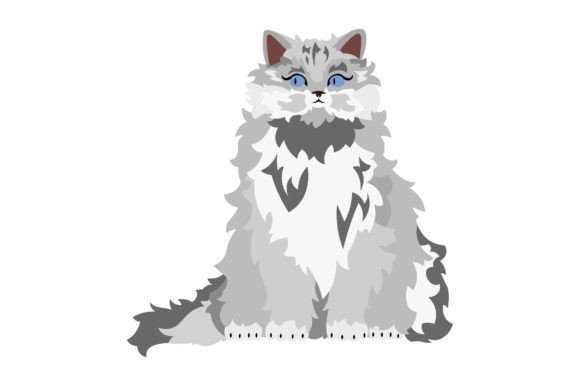
Persian Cat Sitting immediately conveys a sense of calm and sophistication. The cat is depicted in a seated position, exuding a quiet confidence that feels both endearing and artistic. The layout is balanced, with the cat centered and surrounded by subtle detailing that suggests a traditional Persian aesthetic. This design would likely appeal to those who appreciate classic, timeless motifs.
The level of detail is moderate—enough to make the cat recognizable but not so intricate that it becomes overwhelming. It’s ideal for projects where the focus is on the subject rather than complex background elements. The visual personality of the design leans toward elegance, making it a strong candidate for handmade products, personalized gifts, and boutique merchandise.
Real-World Embroidery Performance
When considering how Persian Cat Sitting performs in real-life embroidery situations, it’s important to think about the types of items it could be used on. This design would work well on custom apparel like t-shirts, sweatshirts, and tote bags. It also has potential for baby clothes, aprons, and pillow covers, where a soft, appealing image is key.
For small business owners and Etsy sellers, this design could be a great addition to a collection of pet-themed products. It’s versatile enough to be used as an embroidered patch, a decorative accent on a cap, or even as part of a holiday gift set. Its simplicity makes it adaptable to different fabric types and project sizes.
One thing to note is that the design’s clarity depends heavily on stitch density and thread color contrast. If you’re using a dark fabric, for example, you’ll want to ensure that the thread colors stand out clearly. Testing the design on scrap fabric before committing to a final project is always a good idea.
Where to Use It Carefully
While Persian Cat Sitting is generally easy to work with, there are a few scenarios where caution is advised. For instance, if you’re working with small hoop sizes, you may need to adjust the design or split it into sections to maintain stitch quality. Similarly, on textured fabrics or thin, stretchy materials, the design might not hold up as well unless you use the right stabilizer.
Products that require frequent washing, such as baby clothes or kitchen towels, should also be considered carefully. The design’s stitching needs to be secure and durable to withstand repeated laundering. If you’re planning to use it on layered garments or curved surfaces like caps, you may need to adjust the hoop size or use a different type of stabilizer to prevent puckering or distortion.
Impact on Visual Appeal and Customer Perception
Persian Cat Sitting has the potential to elevate the visual appeal of any finished product. Its clean lines and gentle expression make it highly recognizable and attractive to customers. When used on high-quality fabrics and properly stitched, it can add value to handmade products and increase customer trust in your brand.
From a branding perspective, this design could help reinforce a consistent aesthetic across your product line. Whether you’re selling on Etsy, at craft fairs, or in a small shop, having a design that looks professional and polished can make a big difference in buyer engagement. It also enhances the giftability of your products, especially for pet lovers or fans of elegant, artistic motifs.
Practical Designer Notes
Before using Persian Cat Sitting in your projects, here are a few practical tips to keep in mind:
- Test on scrap fabric first to assess how the design looks and stitches on your specific machine and materials.
- Check thread color contrast to ensure the design stands out on the intended fabric background.
- Review stitch density to avoid overly dense areas that might cause fabric pilling or thread breakage.
- Confirm hoop size to ensure the design fits comfortably without being stretched or distorted.
- Inspect small details to make sure they are clear and well-defined in the final embroidery.
- Test in black and white mockups to see how the design translates without color.
- Compare light and dark fabric backgrounds to determine the best look for your target audience.
- Use proper stabilizer for delicate or stretchy fabrics to prevent puckering or shifting.
- Check licensing before selling finished items or digital products to ensure compliance with any usage restrictions.
By following these steps, you can maximize the effectiveness of Persian Cat Sitting in your embroidery projects and ensure a high-quality result every time.
Conclusion: A Versatile Design for Creative Projects
Persian Cat Sitting is a well-balanced machine embroidery design that offers both aesthetic appeal and practical usability. Whether you’re creating custom apparel, personalized gifts, or small shop merchandise, this design has the potential to enhance your product offerings and attract a wider audience.
With careful consideration of fabric type, stitch density, and hoop size, Persian Cat Sitting can be a valuable asset to your craft business. As with any design, testing and preparation are key to achieving the best results. For designers, Etsy sellers, and handmade shop owners, this is a design worth exploring for its charm, adaptability, and potential for commercial success.