Fat Cat Napping
As an embroidery designer and product reviewer, I often find myself evaluating new designs with a critical eye—especially when they’re meant for real-world use. Fat Cat Napping is one such design that caught my attention. It’s simple, charming, and immediately evokes a sense of calm. But what does it bring to the table in terms of practicality, versatility, and visual appeal? Let’s break it down.
The First Impression
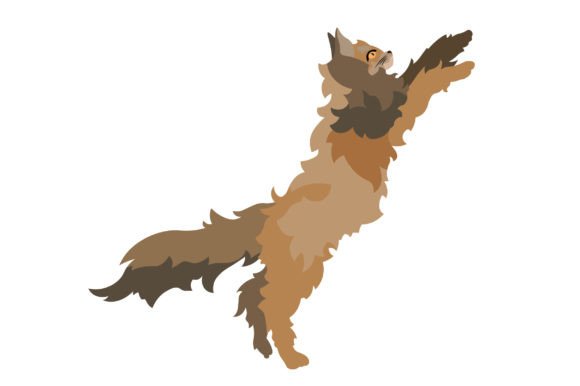
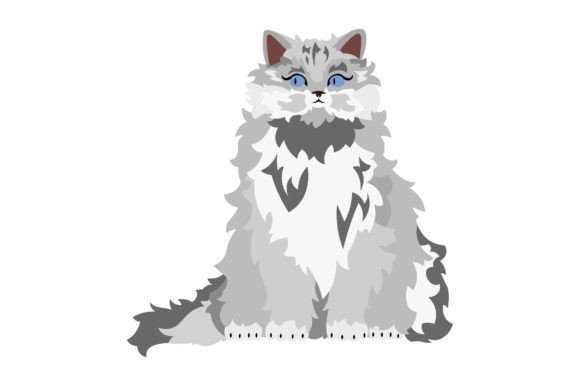
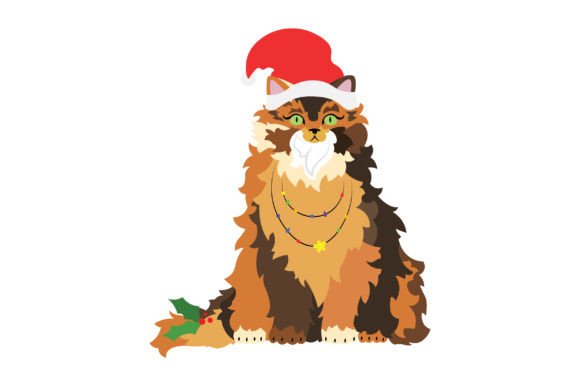
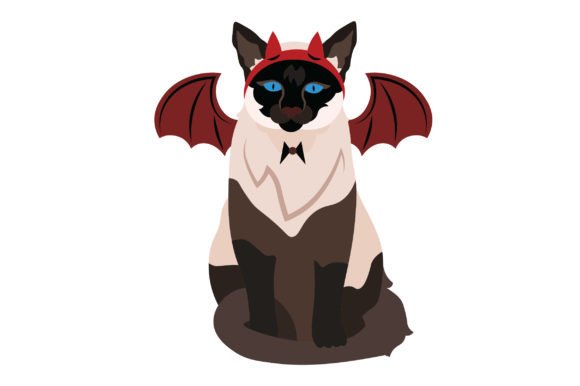
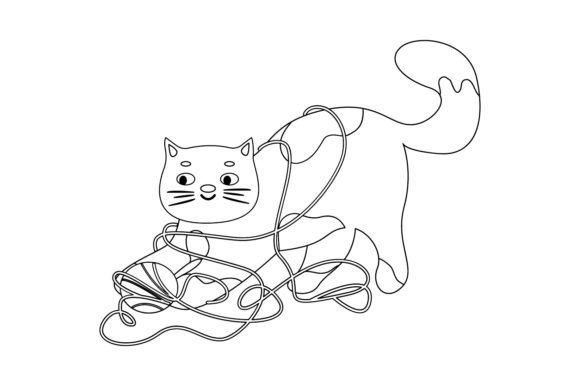
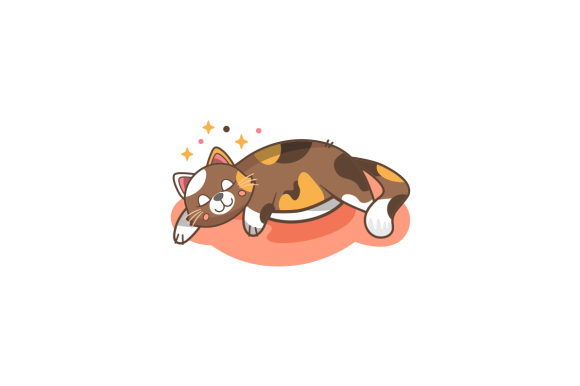
Fat Cat Napping has a soft, approachable vibe. The cat is depicted in a relaxed pose, curled up as if taking a peaceful nap. The design isn’t overly complex, which makes it ideal for a wide range of projects. The layout is clean, and the shapes are well-defined, making it easy to adapt to different embroidery formats. It’s the kind of design that feels like it belongs on a handmade item or a personalized gift.
The theme is straightforward: a cute, sleepy cat. That simplicity is its strength. It doesn’t try to be anything more than what it is, and that’s okay. For a craft business or a small shop, this could be a reliable go-to design for items like tote bags, sweatshirts, or baby clothes.
Real-World Embroidery Use Cases
When considering where Fat Cat Napping fits best, the options are varied. It works well on custom apparel, especially for casual wear like t-shirts, sweatshirts, and caps. The design is also suitable for embroidered patches, aprons, and pillow covers. Its size and shape make it adaptable for both large and medium hoop sizes, though it might struggle in smaller ones.
For baby items, it’s a great choice. The soft lines and gentle imagery make it appropriate for nursery decor, blankets, or onesies. It also has potential for holiday or seasonal projects, such as Christmas stockings or Easter-themed gifts. The design’s simplicity means it can be easily paired with other elements or text without overwhelming the overall look.
As a machine embroidery design, Fat Cat Napping holds up well on most fabrics. However, it’s important to consider the fabric type. On textured or stretchy materials, the stitching may not show as clearly. For dark fabrics, using a contrasting thread color can help the design stand out more effectively.
Where to Be Careful
While Fat Cat Napping is generally versatile, there are a few areas where caution is needed. If you’re working with small hoop sizes, the design might require splitting into sections, which can complicate the process. On thin or stretchy fabrics, extra stabilizer is recommended to prevent puckering or distortion.
Detailed corners and tiny lettering aren’t part of this design, so that’s a relief. However, if you plan to add any text or additional elements around the cat, you’ll need to ensure the overall stitch density remains balanced. Too much detail in one area can affect the overall flow and clarity of the design.
For commercial embroidery projects, it’s essential to confirm licensing before selling finished products or digital files. While the design itself is simple, the legal aspects of usage should never be overlooked.
Visual Appeal and Customer Perception
When it comes to visual appeal, Fat Cat Napping is undeniably cute. It has a friendly, nostalgic quality that resonates with many customers. This makes it a strong candidate for handmade products, personalized gifts, and boutique merchandise. The design’s simplicity also helps maintain a clean, professional look, which is important for brand consistency.
From a customer perspective, this design could be a hit. People love cats, and the idea of a “fat cat napping” adds a playful touch. It’s the kind of design that feels familiar and comforting, which can enhance buyer engagement and encourage repeat purchases.
For Etsy sellers or small shop owners, Fat Cat Napping offers a low-risk option. It’s easy to work with, visually appealing, and has broad appeal. When paired with the right fabric and thread colors, it can elevate the value of a finished product and increase customer satisfaction.
Practical Designer Notes
If you’re planning to use Fat Cat Napping in your next embroidery project, here are a few key tips:
- Test the design on scrap fabric first to see how it looks and stitches up.
- Check thread color contrast for dark or light fabric backgrounds.
- Review stitch density to ensure it’s appropriate for your project’s scale.
- Confirm hoop size requirements to avoid unnecessary complications.
- Inspect small details to make sure everything is clear and well-defined.
- Test in black and white mockups to assess visibility and impact.
- Use proper stabilizer for delicate or stretchy fabrics.
- Verify licensing before selling finished items or digital products.
By following these steps, you can ensure that Fat Cat Napping translates well into a high-quality embroidered patch, tote bag design, or custom apparel piece.
Final Thoughts
Fat Cat Napping is a solid addition to any embroidery file library. It’s simple, versatile, and visually appealing, making it a good fit for a variety of projects. Whether you’re an experienced designer or just starting out, this design offers a reliable foundation for creating handmade products, personalized gifts, or small business merchandise.
It’s not perfect for every situation, but when used correctly, it can add charm and character to your work. As with any machine embroidery design, understanding its strengths and limitations is key to getting the best results.