Tabby Cat Jumping
As a designer and embroidery product reviewer, I often find myself evaluating machine embroidery designs with a critical eye—especially when they’re intended for real-world use. Tabby Cat Jumping is one such design that caught my attention for its playful energy and potential in various craft applications. But before jumping into using it on client projects or selling it as a digital product, I wanted to take a closer look at how it performs in practical situations.
A First Impression: Playful and Expressive
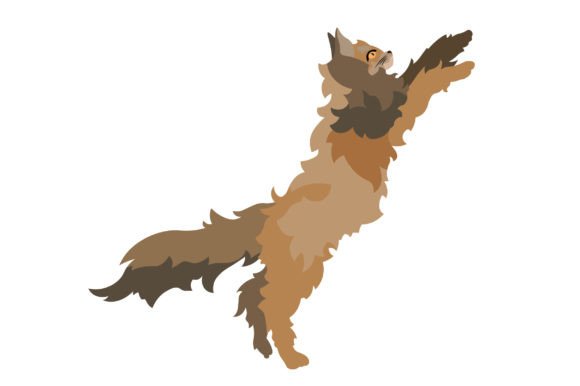
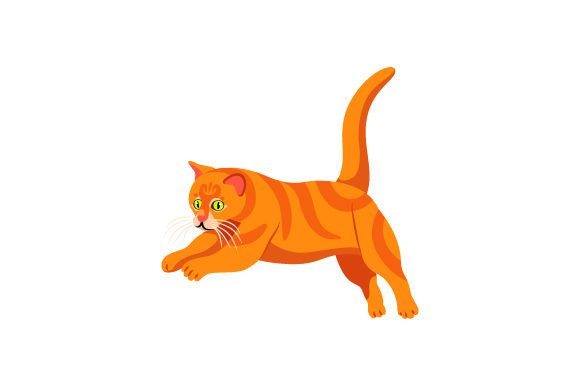
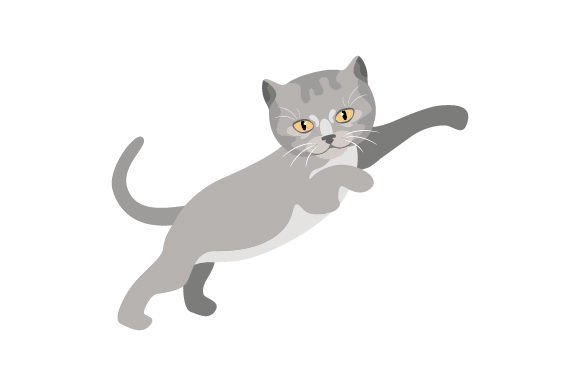
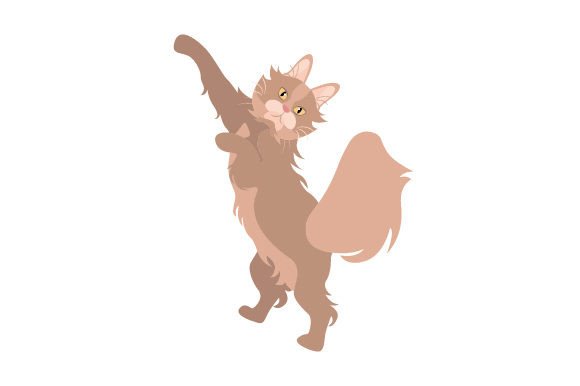
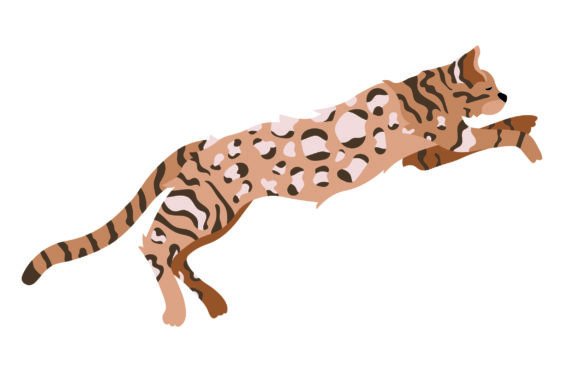
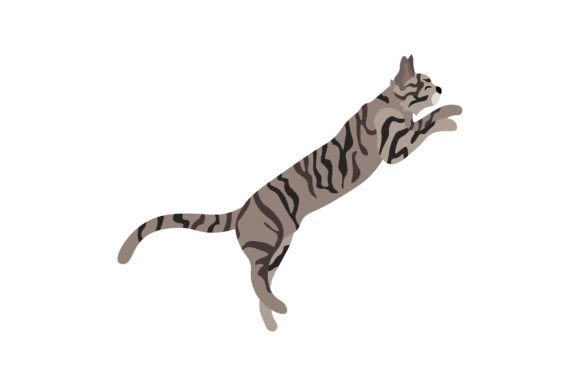
The first thing I noticed about Tabby Cat Jumping is the way it captures motion and character. The cat seems mid-leap, with a dynamic posture that adds life to the design. The layout is balanced, with enough detail to make it visually engaging without being overly complex. This makes it ideal for projects where the design needs to stand out but still maintain a clean aesthetic.
The theme of the design is clearly feline, which fits well within the Cats category. It’s not just a generic cat image—it has a personality, which could translate well into personalized gifts or handmade products that aim to connect emotionally with customers.
Real-World Use Cases: Where It Shines
Tabby Cat Jumping works best on larger, flat surfaces like tote bags, sweatshirts, and pillow covers. Its size and shape make it a natural fit for these items, where the details can be fully appreciated. For example, an embroidered tote bag featuring this design would make a great statement piece for a boutique or Etsy shop.
It also has potential for baby items, such as onesies or blankets, where the playful nature of the design can add a touch of whimsy. The design isn’t too intricate for small-scale embroidery, but it does require careful handling to ensure clarity, especially on delicate fabrics.
For custom apparel, Tabby Cat Jumping could be used as an embroidered patch or applied to caps and hats. The design’s simplicity allows it to work well on curved surfaces, though it may need some adjustments for optimal placement.
Where to Be Cautious: Practical Considerations
While Tabby Cat Jumping is versatile, there are certain scenarios where it might not perform as well. On small hoop sizes, the design could feel cramped, making it harder to achieve consistent stitching. Similarly, on textured or stretchy fabrics, the design may not lay flat as expected, affecting the overall appearance.
On dark fabrics, the contrast between the design and the background becomes crucial. If the thread colors aren’t chosen carefully, the design might not pop as intended. Testing the design on different fabric types is always a good idea before committing to a full project.
Dense stitch areas can also be a concern. If the design is too filled in, it might cause puckering or stiffness on lightweight materials. A running stitch or satin stitch approach could help maintain flexibility while keeping the design sharp.
Impact on Visual Appeal and Customer Perception
When it comes to visual appeal, Tabby Cat Jumping has a strong presence. The level of detail is sufficient to make it recognizable and attractive, but not so much that it overwhelms the item it’s applied to. This balance helps maintain a professional look, which is essential for handmade products and commercial embroidery projects.
From a customer perspective, a design like this can enhance the perceived value of a finished product. It adds a unique touch that can differentiate a handmade item from mass-produced alternatives. For Etsy sellers or small business owners, this kind of design can be a valuable asset in attracting buyers who appreciate creativity and individuality.
Brand consistency is another factor to consider. If your business has a specific style or color palette, ensuring that Tabby Cat Jumping aligns with it will help maintain a cohesive look across all products.
Embroidery Designer Notes: Key Tips for Success
Before using Tabby Cat Jumping in any project, I recommend testing it on scrap fabric. This will give you a clear idea of how the design looks once stitched and whether any adjustments are needed.
Reviewing the stitch density is also important. If the design is too dense, it might not work well on certain fabrics. Adjusting the density or choosing a different stitch type can improve the outcome.
Confirming the correct hoop size is another step that shouldn’t be overlooked. If the design is too large for your hoop, it may not stitch properly, leading to frustration and wasted time.
Inspecting small details is crucial. Even minor elements in the design can affect the final result, especially if they’re not clearly defined. Testing the design in black and white mockups can help identify any issues early on.
Finally, always check the licensing terms before using the design for commercial purposes. Some designs may have restrictions that could impact your ability to sell finished products or digital files.
Conclusion: A Versatile Design with Real Potential
Tabby Cat Jumping is a design that offers both visual appeal and practical usability. It has the potential to enhance a wide range of embroidery projects, from custom apparel to holiday gifts. However, its success depends on how well it’s adapted to the specific fabric, hoop size, and stitching method used.
For designers, crafters, and small business owners, this design can be a valuable addition to their collection—provided it’s used thoughtfully. With the right approach, Tabby Cat Jumping can become a standout element in any handmade or commercial embroidery project.