Thin Cat Eating
First Impressions: A Delicate and Playful Design
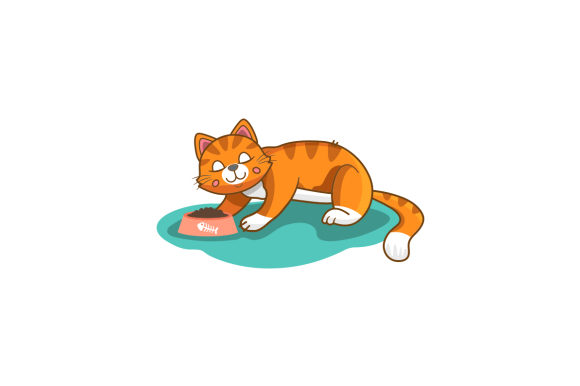
From the moment I laid eyes on Thin Cat Eating, it immediately struck me as a design that balances simplicity with charm. The cat is rendered in a slim, almost whimsical form, giving it a light and airy feel. It’s not overly detailed, but the composition is clean and easy to work with, making it ideal for a variety of embroidery projects.
The theme is straightforward—just a cat eating—but the way it's presented has a subtle sense of humor. This makes it perfect for products that aim to evoke a sense of playfulness or nostalgia. The layout is well-structured, with enough space around the subject to allow for flexibility in placement.
Real-Life Use: Where Thin Cat Eating Shines
As an embroidery designer, I often think about how a machine embroidery design will translate onto different fabrics and items. Thin Cat Eating works best on larger, flat surfaces where the details can be clearly seen. For example, a custom embroidered tote bag design would be a great fit. The design’s simplicity allows it to stand out without overwhelming the fabric.
It also translates well to sweatshirts, t-shirts, and aprons. The design’s low stitch density means it won’t add too much bulk, which is important for comfort in clothing. For baby items, such as onesies or blankets, Thin Cat Eating offers a gentle, non-intrusive look that parents might appreciate.
When used as an embroidered patch, the design maintains its clarity and character. It could be a fun addition to backpacks, jackets, or even pet collars. Its size and shape make it suitable for both small and medium-sized patches, depending on how it’s scaled.
Challenges and Considerations
While Thin Cat Eating is versatile, there are a few areas where care is needed. On small hoop sizes, the design may require some adjustment to ensure all elements are properly stitched. If you're working with textured fabrics, like denim or canvas, the design’s delicate lines might not show up as clearly as they would on a smooth fabric.
Thin fabric or stretchy materials can also pose challenges. The design may stretch or distort if not properly stabilized. Using the right stabilizer is crucial here, especially when working with lightweight cotton or knits. Similarly, on dark fabrics, the contrast between the design and the background should be carefully considered to avoid a washed-out appearance.
For curved surfaces like caps or hats, the design may need some reworking to fit the contour. The corners and edges of the cat’s form might not sit as nicely on a rounded surface as they do on a flat one. In such cases, testing the design on a mockup is always a good idea before committing to a full project.
Visual Appeal and Customer Perception
Thin Cat Eating has a certain charm that can elevate a handmade product. Its simple yet recognizable form makes it appealing to a wide range of customers. When used on personalized gifts or custom apparel, it adds a unique touch that feels thoughtful and intentional.
In terms of stitching clarity, the design performs well. The use of satin stitch and fill stitch gives it a polished look, while the running stitch in the cat’s tail adds a bit of texture. This balance helps the design stand out without being too busy.
From a commercial perspective, Thin Cat Eating can be a valuable asset for Etsy sellers or small shop owners. It’s a design that can be easily adapted for different products, from printable mockups to digital embroidery files. Its versatility makes it a strong candidate for a range of craft business items.
Practical Tips for Embroidery Designers
Before using Thin Cat Eating in any project, I recommend testing it on scrap fabric. This helps identify any issues with stitch density, thread color contrast, or stabilizer needs. Checking the design in black and white mockups can also reveal how it will look on different fabric backgrounds.
For commercial projects, it’s essential to confirm the licensing terms before selling finished items or digital products. While the design itself is clean and professional, the legal aspects should never be overlooked.
When working with this design, keep in mind that smaller details, like the cat’s whiskers or the food item it’s eating, may need extra attention. These elements can be easily lost in dense stitch areas, so adjusting the design or adding additional stitches may be necessary for optimal results.
Final Thoughts: A Design That Works Well With Intention
Thin Cat Eating is a design that benefits from thoughtful application. It’s not a one-size-fits-all solution, but when used appropriately, it can enhance a wide range of embroidery projects. Whether you’re creating custom apparel, personalized gifts, or small shop merchandise, this design has the potential to add value and appeal.
As a designer, I appreciate the balance it strikes between simplicity and character. It’s a great example of how even a minimal design can have a significant impact when executed with care. For those looking to expand their collection of machine embroidery designs, Thin Cat Eating is worth considering—especially for projects that prioritize style, clarity, and customer satisfaction.