Annoyed Cat Embroidery Design
As an embroidery designer and product reviewer, I've evaluated countless machine embroidery designs for real-world use. Annoyed Cat stands out as a unique and expressive piece that could work well in various creative projects. But like any design, it has its strengths and limitations that need to be considered before using it in a finished product.
First Impressions: A Playful and Expressive Design
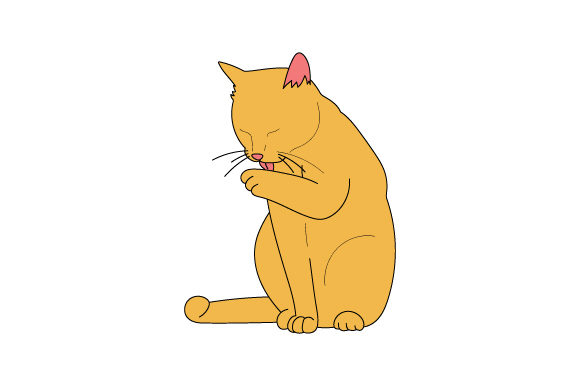
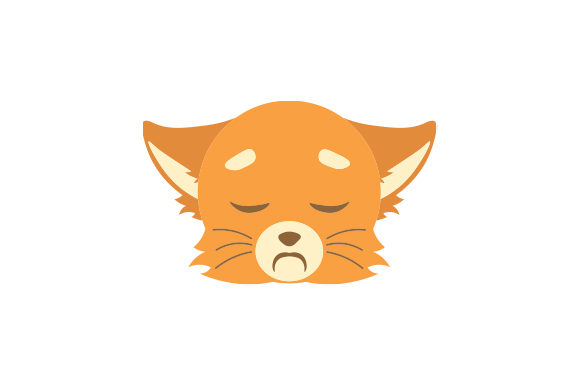
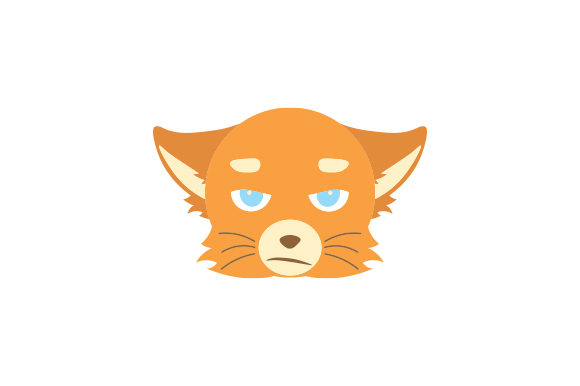
The Annoyed Cat design immediately catches the eye with its simple yet striking expression. The cat's fur is stylized, and the eyes convey a clear sense of irritation or frustration. This makes it a great fit for projects that aim to add a touch of humor or personality. The layout is clean, with enough detail to make it visually engaging without being overly complex.
This design feels most at home on custom apparel, such as tote bags, sweatshirts, or baby clothes. Its size and shape also make it suitable for embroidered patches, aprons, and pillow covers. The visual personality of Annoyed Cat suggests it would resonate well with customers who appreciate whimsical and relatable designs.
Real-World Use: How Annoyed Cat Performs in Embroidery Projects
When considering Annoyed Cat for real-life embroidery, it’s important to think about how it will translate onto different fabrics and products. For example, if you're planning to embroider this design on a tote bag, the size and placement matter. The design is large enough to be visible but not so big that it overwhelms the fabric.
On a sweatshirt, the design would look great as a central feature, especially on light-colored garments where the details can pop. However, on dark fabric, the contrast might be less effective unless you use a contrasting thread color. That’s something to test before committing to a larger batch of products.
For baby items, such as onesies or blankets, the design could be a fun and memorable addition. But keep in mind that small hoop sizes may limit how much of the design you can stitch at once. If you're working on a patch, the design should work well with applique techniques, provided the edges are well-defined.
Where to Use Annoyed Cat Carefully
While Annoyed Cat is versatile, there are some situations where it might not perform as expected. On textured fabrics or thin materials, the design might lose some of its clarity. Stretchy fabrics could also cause distortion, especially if the stitching isn’t dense enough to hold the shape.
Curved surfaces like caps or hats may require some adjustment in the embroidery file to ensure the design sits properly. Tiny lettering or intricate details in the corners might not come out as sharp as intended, depending on the machine and stabilizer used. It’s always wise to test the design on scrap fabric first before using it on a final product.
If you're planning to use Annoyed Cat for commercial embroidery or as part of a digital product, check the licensing terms to make sure it’s appropriate for your intended use. Some designs may have restrictions on resale or modification, which could affect your business model.
Impact on Visual Appeal and Customer Perception
One of the key factors in successful embroidery is how the design looks after stitching. Annoyed Cat has a good balance of detail and simplicity, making it visually appealing without being overwhelming. When stitched correctly, it can add a unique touch to handmade products, making them stand out in a crowded market.
For small shop owners and Etsy sellers, this design could be a valuable addition to your catalog. It’s recognizable, easy to customize, and has a strong visual identity. Customers often respond well to designs that tell a story or evoke emotion, and Annoyed Cat does just that.
When it comes to customer trust and brand consistency, having a design that looks professional and well-crafted is essential. Annoyed Cat, when executed properly, can contribute to a cohesive brand image. It also works well as a personalized gift, especially for cat lovers or those who appreciate a bit of humor in their decor.
Practical Tips for Using Annoyed Cat
Before using Annoyed Cat in your next project, here are a few practical steps to consider:
- Test on scrap fabric: Always try the design on a sample piece of the fabric you’ll be using. This helps identify any issues with stitch density or thread color contrast.
- Check thread colors: Make sure the thread color complements the fabric and highlights the design’s features.
- Review stitch density: If the design has areas with heavy stitching, ensure your machine can handle it without causing puckering or distortion.
- Confirm hoop size: Large designs may require multiple hooping sessions, so plan accordingly.
- Inspect small details: Look closely at the corners and edges to ensure they’re well-defined and won’t get lost during stitching.
- Use proper stabilizer: Stabilizer is crucial for maintaining the shape of the design, especially on stretchy or delicate fabrics.
- Test black and white mockups: Sometimes, a design looks better in monochrome, so consider how it appears in different color schemes.
- Compare light and dark backgrounds: The design may look different depending on the fabric color, so test both options.
- Check commercial use rights: Make sure you have the proper license to sell finished products or digital files featuring Annoyed Cat.
Conclusion: A Versatile and Engaging Design
Annoyed Cat is a design that offers both visual appeal and practicality for a wide range of embroidery projects. Whether you're creating custom apparel, personalized gifts, or small business merchandise, this design has the potential to enhance your offerings. However, like any machine embroidery design, it requires careful consideration of fabric type, stitch settings, and project scope.
As a designer, I recommend treating Annoyed Cat as a thoughtful and expressive addition to your collection. With the right approach, it can become a popular item among customers and a reliable asset for your craft business.