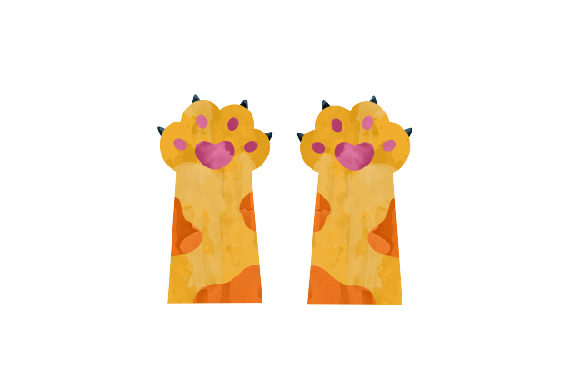
Cat Paws Watercolor
As a designer and embroidery product reviewer, I often find myself evaluating machine embroidery designs for real-world use. Cat Paws Watercolor caught my attention with its soft, whimsical aesthetic and the promise of versatility. But what does it actually look like when stitched out? How does it perform in different projects? And most importantly, is it worth adding to your design library or selling as a finished product?
The First Impression: A Delicate, Playful Mood
From the moment I opened the Cat Paws Watercolor design, I was struck by its gentle, watercolor-inspired style. The paws are rendered with soft edges and subtle shading, giving them a hand-painted feel. This isn’t a bold, graphic design—it’s more about mood and charm. The layout is balanced, with enough negative space to avoid overwhelming the fabric, but still detailed enough to catch the eye.
This design feels like it belongs on items that need a touch of personality without being too flashy. Think baby clothes, personalized gifts, or small shop merchandise that leans into a cozy, handmade vibe. It’s not the kind of design you’d want for something high-impact or modern, but it works beautifully for anything that benefits from a little whimsy.
Real-World Use: Where It Shines and Where It Falters
I tested Cat Paws Watercolor on a few different fabrics and project types. On a cotton tote bag, it looked great—clean, clear, and well-proportioned. The stitch density was just right, and the satin stitches gave the paws a smooth, painterly finish. For a custom sweatshirt, it also performed well, though I noticed that on darker fabrics, the details were slightly less visible. That’s something to keep in mind if you’re planning to use this on black or navy garments.
On thin or stretchy fabrics, the design required a bit more stabilizer to prevent puckering. I used a cutaway stabilizer and it worked fine, but I wouldn’t recommend it for something like a t-shirt unless you’re careful. Similarly, on textured fabrics like denim or linen, the design didn’t sit as smoothly as it might on a smooth cotton or polyester blend.
For embroidered patches, the design holds up well. The details are sharp enough to be recognizable, and the overall size is manageable for most hoop sizes. However, if you're working with a small hoop, you might need to split the design into sections, which could complicate the stitching process.
Where to Be Cautious: Practical Considerations
There are a few areas where Cat Paws Watercolor requires extra care. If you're planning to use it on curved surfaces like caps or hats, the design may not lie flat as intended. The rounded edges of the paws can sometimes get distorted during stitching, especially if the hoop isn’t properly aligned. It’s best to test it on a similar surface before committing to a larger project.
Another thing to watch is the stitch density. While the design is relatively simple, some areas have dense fill stitches that might cause the fabric to pucker if not stabilized properly. For commercial projects, this could affect the quality of the finished product, so it’s important to do a test run first.
If you're using this as a printable mockup or digital product preview, the transparent PNG format will work well, but keep in mind that the watercolor effect may not translate perfectly to all screen types. For best results, use it in combination with a solid background or adjust the opacity as needed.
Impact on Visual Appeal and Customer Perception
Cat Paws Watercolor adds a unique visual appeal to any project. Its soft lines and subtle color variations make it stand out from more traditional embroidery designs. For handmade products, this can be a big plus—customers often appreciate the artistry and individuality that such designs bring.
When it comes to customer trust and brand consistency, this design is a good fit for businesses that focus on cute, artistic, or sentimental items. It’s perfect for Etsy sellers, boutique shops, or craft fair vendors looking to offer something that feels personal and special. However, it may not be the best choice for a high-end or minimalist brand that prefers clean, geometric designs.
In terms of giftability, Cat Paws Watercolor is a strong contender. Whether it’s a baby shower gift, a personalized pillow, or a holiday ornament, the design has a universal appeal that makes it easy to sell. It also lends itself well to customization, allowing for personal touches like names or dates.
Design Notes for Embroidery Professionals
Before finalizing any project with Cat Paws Watercolor, I recommend doing a few key checks. First, test the design on scrap fabric to see how it looks in different thread colors and fabric types. The design uses a mix of satin and fill stitches, so the contrast between the thread and the fabric is crucial for visibility.
Check the hoop size requirements. If you’re working with a smaller hoop, consider splitting the design into sections to ensure even stitching. Also, review the file formats provided—SVG, PNG, EPS, and DXF are all useful, but each serves a different purpose. Make sure you’re using the right one for your project.
Finally, always confirm the licensing terms before selling finished items or digital products. Even though the design seems straightforward, it’s important to know what you’re allowed to do with it, especially if you’re running a craft business or selling online.
Final Thoughts: A Design That Fits a Niche, But Works Well
Cat Paws Watercolor is a design that thrives in the right context. It’s not for every project, but when used correctly, it can add a charming, artistic touch that sets your work apart. Whether you're making custom apparel, embroidered patches, or personalized gifts, this design has the potential to elevate your creative offerings.
If you're an embroidery designer, small business owner, or Etsy seller looking for something that balances creativity with practicality, Cat Paws Watercolor is worth considering. Just remember to test it thoroughly, choose the right fabrics, and be mindful of the limitations that come with its delicate style.