Cat Sleeping Embroidery Design Review
The Cat Sleeping embroidery design offers a charming, serene visual that could easily become a favorite in any craft business or personal project. Its simple yet expressive layout makes it ideal for a wide range of applications, from custom apparel to home decor. But before jumping into using it, there are several practical considerations to keep in mind.
First Impressions: A Calm and Cozy Visual
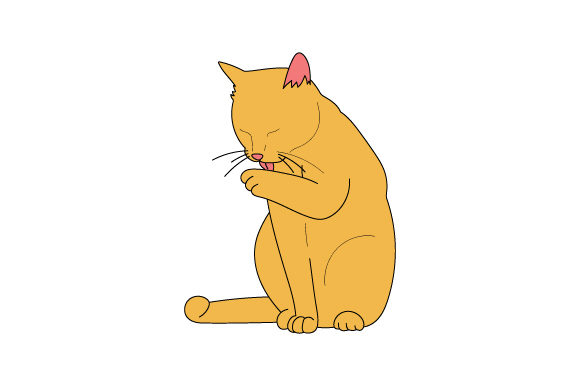
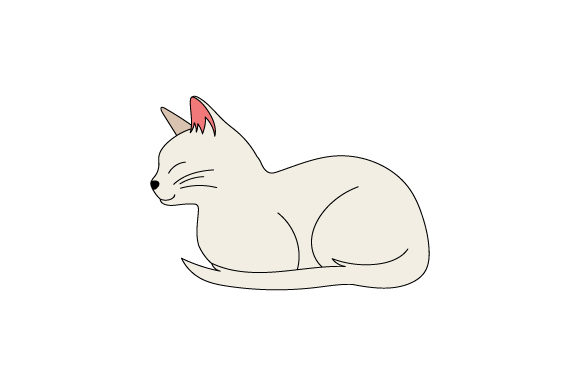
Cat Sleeping immediately evokes a sense of relaxation. The design features a cat curled up in a peaceful pose, with soft curves and gentle lines that suggest comfort and stillness. The overall mood is quiet and inviting, making it perfect for products that aim to convey warmth and tranquility.
The layout is straightforward, with the cat centered and surrounded by open space. This makes it easy to adapt to different sizes and placements without feeling cramped or cluttered. The level of detail is moderate—enough to be recognizable but not overly complex, which is great for both beginners and experienced embroiderers.
This design naturally fits into projects like baby items, sleepwear, or cozy home accessories. It also has potential as a decorative element on tote bags, aprons, or even personalized gifts for cat lovers.
Real-World Use Cases: Where Cat Sleeping Shines
For an embroidery designer or small business owner, Cat Sleeping can be a versatile addition to your design library. Imagine creating a custom embroidered tote bag for a boutique shop—this design would look elegant on a lightweight cotton canvas. It could also work well on sweatshirts, especially for a seasonal collection focused on comfort and relaxation.
As a baby item, the design could be used on onesies, blankets, or crib sheets. The soft, non-aggressive style makes it suitable for nurseries, and the simplicity ensures it won’t overwhelm a delicate fabric. For Etsy sellers, this design could be a strong contender for printable mockups or digital product previews, helping customers visualize how it would look on their chosen item.
In commercial embroidery projects, Cat Sleeping could serve as a background element or a standalone motif. It’s also well-suited for patches, where the clean lines and moderate detail allow for clear stitching without excessive complexity.
Where to Be Cautious: Practical Limitations
While Cat Sleeping is a solid design, there are some situations where it may not perform as well. On small hoop sizes, the design might feel too large or require multiple hooping steps, which can be time-consuming. If you’re working with textured fabrics, the design’s flat appearance could be less effective, as the texture might interfere with the clarity of the stitches.
Thin or stretchy fabrics may also pose challenges. The design’s stitch density should be reviewed carefully to ensure it doesn’t cause puckering or distortion. Dark fabrics could also affect the visibility of the design, depending on the thread colors used. It’s important to test the design on different fabric types before committing to a larger project.
On curved surfaces like caps or hats, the design’s layout may need slight adjustments to maintain its visual integrity. Additionally, if the design includes fine details or tiny lettering, those elements should be checked closely to ensure they translate well in embroidery.
Impact on Visual Appeal and Customer Perception
Cat Sleeping has the potential to elevate the visual appeal of any product it’s used on. Its simple, recognizable subject matter makes it highly relatable, which can boost customer engagement and increase the likelihood of sales. When used effectively, it can add a touch of personality and charm to handmade products, making them more desirable for buyers looking for unique, meaningful items.
From a branding perspective, this design can help reinforce a consistent aesthetic, especially if your shop or business focuses on cozy, animal-themed, or lifestyle-oriented products. It also adds value to personalized gifts, as the design is both nostalgic and universally appealing.
For commercial use, the design’s clarity and simplicity make it easy to reproduce consistently across different items and scales. However, it’s always wise to confirm licensing terms before selling finished products or digital files, as this can vary between designers and platforms.
Embroidery Designer Notes: Best Practices for Using Cat Sleeping
Before using Cat Sleeping in a real project, it’s recommended to test it on scrap fabric. This will help you assess how the design looks in different thread colors and fabric textures. Pay attention to the stitch density—too much can cause bulkiness, while too little may result in a weak appearance.
Ensure the hoop size is appropriate for the design. If the design is too large for your machine’s hoop, consider breaking it into sections or adjusting the scale. Also, check whether the design works well in black and white mockups, as this can give a better idea of how it will look on different fabric backgrounds.
When working with dark fabrics, choose thread colors that contrast well to ensure the design stands out. For light fabrics, a softer color palette may be more appropriate. Always use the right stabilizer for the fabric type to prevent shifting or distortion during stitching.
If you’re planning to sell finished products or digital files, double-check the licensing agreement to ensure you have the rights to do so. This is especially important for Etsy sellers or craft business owners who rely on original designs to differentiate their offerings.
Final Thoughts: A Useful Addition for Many Projects
Cat Sleeping is a thoughtful, well-designed embroidery file that can fit into a variety of creative projects. Its calm, inviting aesthetic makes it ideal for products that aim to evoke comfort and relaxation. While it has some limitations in certain situations, with proper testing and adaptation, it can be a valuable asset for any embroidery designer or small business owner.
Whether you’re creating custom apparel, personalized gifts, or boutique merchandise, this design offers a balance of simplicity and charm that can enhance your product lineup. Just remember to approach it with the same care and attention you’d give any other embroidery project—because even the most basic design can make a big difference when executed well.