Sad Cat Embroidery Design Review
First Impressions of Sad Cat
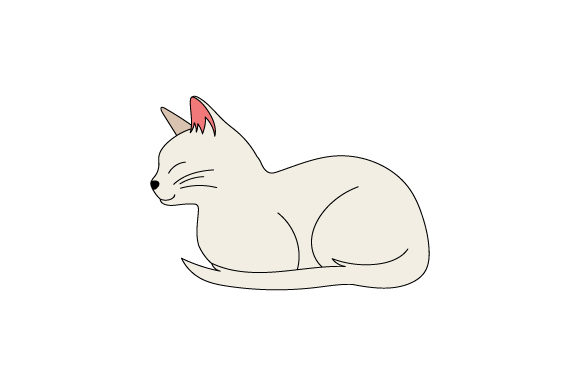
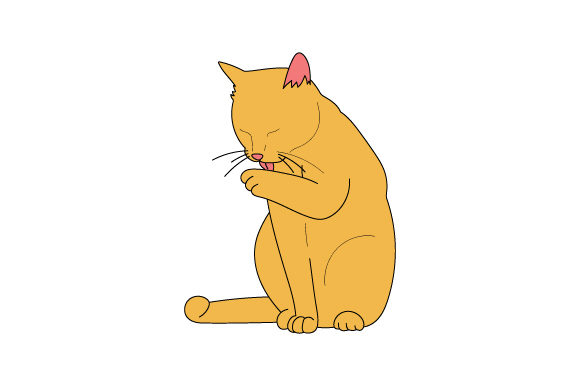
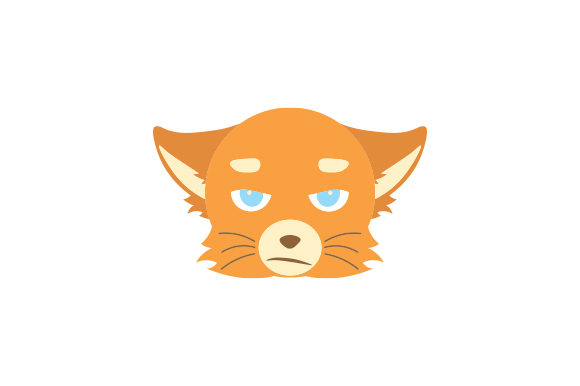
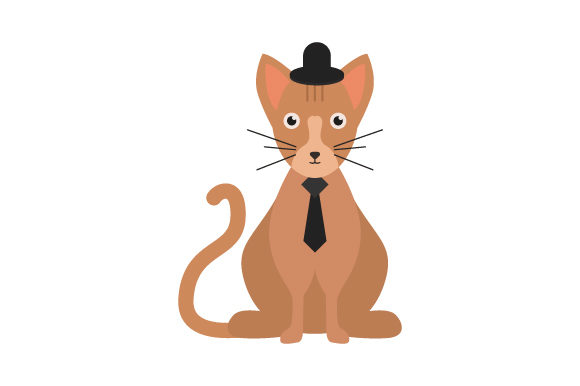
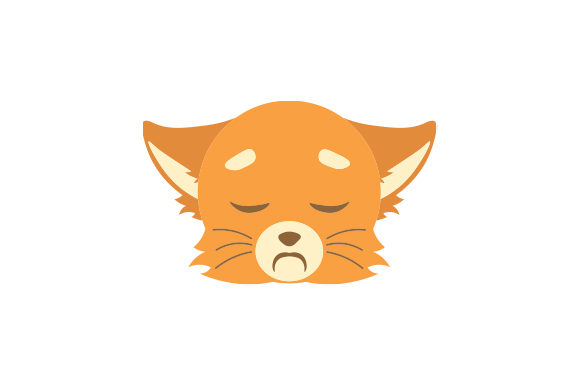
The Sad Cat design immediately conveys a quiet, melancholic mood. Its simple yet expressive shape captures the essence of a feline in a moment of solitude. The layout is clean, with enough detail to be recognizable without being overly complex. This makes it ideal for embroidery projects that aim to evoke emotion or tell a story.
The visual personality of Sad Cat feels approachable and relatable. It’s not overly dramatic, which means it can fit into a variety of settings—whether as a subtle accent on a tote bag or a central feature on a baby onesie. The design has a timeless quality that could work well in both modern and traditional contexts.
Real-Life Use Cases for Sad Cat
Imagine preparing a custom embroidered tote bag for a client who wants something unique but understated. Sad Cat would look great as a small, centered design on the front. It’s also suitable for sweatshirts, where its simplicity allows it to stand out without overwhelming the garment.
For baby items, Sad Cat could be used as an embroidered patch on a onesie or blanket. Its soft appearance makes it a good fit for nursery decor, and it could serve as a gentle reminder of a pet or a sentimental keepsake. As a holiday embroidery project, it might be used on a Christmas ornament or a gift tag, adding a personal touch to handmade presents.
Small business owners and Etsy sellers could use Sad Cat as part of their product lineup. It works well as a printable mockup for digital embroidery files, allowing customers to visualize how the design would look on different items. It also fits into craft fair products, boutique branding, and personalized gifts that cater to cat lovers.
Performance in Different Embroidery Scenarios
When working with Sad Cat on custom apparel, the design holds up well on t-shirts and sweatshirts. Its stitch density is moderate, making it suitable for most machine embroidery designs. However, users should test it on scrap fabric first to ensure thread color contrast and stitching clarity.
On textured fabrics, such as denim or fleece, the design may appear slightly less defined. A proper stabilizer is essential to prevent puckering or distortion. For thin or stretchy fabrics, consider using a tear-away or cutaway stabilizer to maintain the integrity of the design.
Dark fabric backgrounds can make the design stand out more, especially if using contrasting thread colors. On light fabrics, the design may appear more subdued, so careful attention to stitch density and fill patterns is important. Sad Cat also works well as an applique design, where the texture of the fabric can enhance the overall look.
Where to Use Sad Cat with Caution
Smaller hoop sizes may limit the ability to stitch detailed areas of Sad Cat. If the design includes intricate corners or tiny elements, a larger hoop size is recommended. Similarly, curved surfaces like caps or hats can be challenging, as the design may not lie flat or may require repositioning during stitching.
Dense stitch areas can cause the design to feel stiff, so adjusting the stitch density may be necessary. Tiny lettering or decorative accents may not hold up well on certain fabrics or under frequent washing. For products that will be laundered often, consider using a durable thread and reinforcing the design with additional stabilizer.
When using Sad Cat on layered garments or curved surfaces, extra care is needed to ensure the design remains visible and intact. It’s also important to check whether the design works for both personal and commercial projects, depending on the intended use.
Impact on Visual Appeal and Customer Perception
Sad Cat adds a touch of personality to any embroidery project. Its emotional tone can make a handmade product feel more meaningful, increasing its value to customers. When used effectively, it can enhance brand consistency, especially for businesses that focus on animal-themed or sentimental items.
As a personalized gift, Sad Cat has strong appeal. It can be used on items like pillow covers, kitchen towels, or aprons, making it a versatile choice for gift-giving. Its presence on a finished product can also boost buyer engagement, encouraging customers to share their purchases on social media or leave positive reviews.
For commercial embroidery projects, Sad Cat offers a balance between creativity and practicality. It’s easy to work with, doesn’t require excessive resources, and can be adapted to a wide range of applications. Its simplicity makes it a reliable choice for small shop merchandise and craft business items.
Practical Designer Notes for Using Sad Cat
Before using Sad Cat in an embroidery project, always test it on scrap fabric. This helps identify any issues with thread color contrast, stitch density, or stabilizer requirements. Check the design for small details that may not translate well on certain fabrics or in specific hoop sizes.
Use proper stabilizer to ensure the design stays in place during stitching. Test the design in black and white mockups to see how it looks on different fabric backgrounds. Compare how it appears on light and dark fabrics to determine the best thread colors for your project.
If you’re selling finished items or digital products featuring Sad Cat, confirm the licensing terms before proceeding. Make sure the design is compatible with your embroidery machine and file formats. Consider how it will look in printable mockups and digital product previews, as these are often the first impressions customers have of your work.
Final Thoughts on Sad Cat
Sad Cat is a thoughtful and versatile embroidery design that can enhance a wide range of projects. Whether you're creating custom apparel, personalized gifts, or small business merchandise, it offers a balance of style and functionality. Its emotional depth and clean design make it a valuable addition to any embroidery file collection.
With careful consideration of fabric type, hoop size, and stitch density, Sad Cat can be a reliable and appealing choice for both hobbyists and professionals. It’s a design that invites creativity while maintaining a sense of realism and practicality.