Dot-to-dot Cat Review
First Impressions of Dot-to-dot Cat
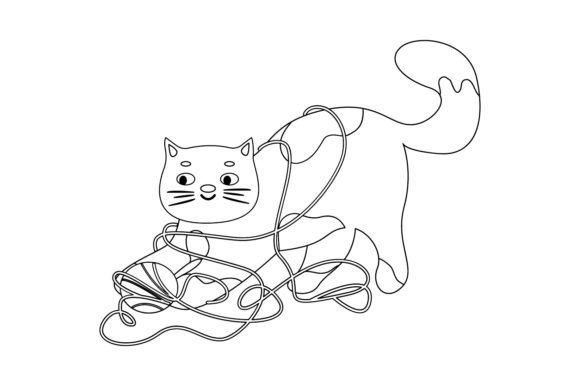
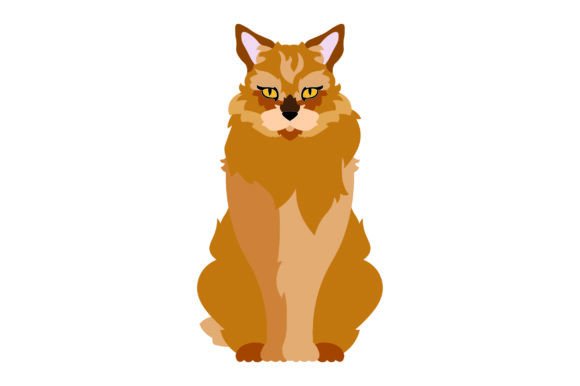
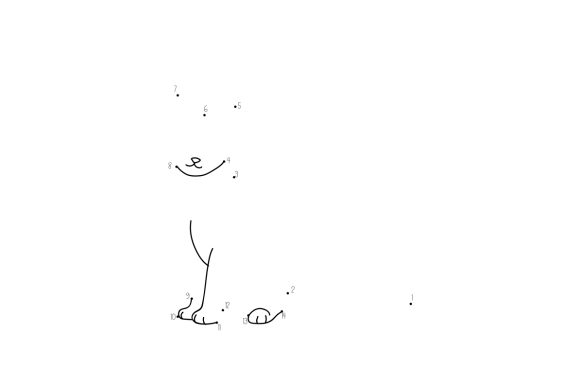
The Dot-to-dot Cat design immediately catches the eye with its playful, nostalgic charm. The layout is clean and structured, making it ideal for a wide range of embroidery projects. The shape is simple yet expressive, with enough detail to be recognizable without being overwhelming. It feels like a design that could easily become a favorite in a craft business or handmade shop.
The visual personality of Dot-to-dot Cat leans toward whimsy and simplicity, which makes it perfect for baby items, personalized gifts, or holiday decorations. Its theme is straightforward—just a cat—but the way it’s drawn gives it a unique character that stands out from generic animal designs.
Real-Life Use Cases for Dot-to-dot Cat
Imagine preparing a custom embroidered tote bag for a client who wants something fun and memorable. Dot-to-dot Cat would work well as a statement piece on the front. The design’s structure allows it to translate smoothly into machine embroidery, whether you’re using a basic home machine or a commercial-grade one.
For a small shop product, this design could be used on sweatshirts, aprons, or even pillow covers. It’s versatile enough to fit into a variety of products, making it a valuable addition to an embroidery file library. As a digital product seller, I’d consider offering it as a printable mockup or a downloadable embroidery file for others to use in their own projects.
When thinking about a baby item, like a onesie or a blanket, Dot-to-dot Cat could be a gentle, non-intrusive design that adds a touch of personality without being too busy. It’s also great for personalized gifts, such as embroidered patches or caps, where a subtle but distinctive image is needed.
Performance in Different Embroidery Situations
Dot-to-dot Cat performs well on most standard fabrics, especially when using proper stabilizer. However, it may require some adjustments when working with textured or stretchy materials. The design’s stitch density is moderate, so it should hold up well on thin or lightweight fabrics without causing puckering or distortion.
On dark fabric, the design might need a contrasting thread color to ensure visibility. For light-colored garments, a neutral thread shade would work best. If you're planning to use it on a layered garment or a curved surface like a cap, you may need to adjust the hoop size or test the design on a scrap piece first.
This design isn’t ideal for very small hoop sizes, as some of the finer details may not come through clearly. Similarly, if you're working on a project that requires frequent washing, you’ll want to make sure the stitches are secure and the design is properly stabilized.
Where to Use Dot-to-dot Cat Carefully
While Dot-to-dot Cat is a solid choice for many projects, there are situations where it may not perform as well. On tiny lettering or intricate corners, the design might lose some definition. If you're planning to use it as a decorative accent, you’ll want to ensure it doesn’t get lost in the overall design.
For dense stitch areas, you may need to adjust the fill stitch or add running stitch to prevent the fabric from stretching. When working with thin or stretchy fabrics, extra stabilizer is recommended to keep the design looking clean and professional.
If you're considering using Dot-to-dot Cat for a commercial embroidery project, make sure you understand the licensing terms before selling finished items or digital products. Always test the design on different fabric types and thread colors to ensure it meets your standards.
Impact on Visual Appeal and Customer Perception
Dot-to-dot Cat has a strong visual appeal that can enhance the value of any handmade product. Its clean lines and recognizable form make it easy to identify, which is important for customer recognition and brand consistency. When used effectively, it can help build trust with buyers who are looking for quality and attention to detail.
As a designer, I know that the right embroidery design can elevate a product from ordinary to exceptional. Dot-to-dot Cat has the potential to do just that, especially when paired with the right fabric and thread colors. It also adds a personal touch to customized items, making them more giftable and appealing to a wider audience.
From a business perspective, this design could be a great asset for an Etsy seller or a small shop owner. It’s versatile, easy to use, and has broad appeal. With the right presentation, it could become a staple in your product lineup.
Practical Designer Notes for Using Dot-to-dot Cat
Before committing to a large project, always test the design on scrap fabric. This will help you see how it looks in real life and make any necessary adjustments. Check the thread color contrast to ensure the design stands out on the intended fabric.
Review the stitch density to determine if it’s suitable for your project. Confirm the hoop size required for the design, and inspect the small details to make sure they’re clear and well-defined. Test the design in black and white mockups to see how it translates without color.
Compare the design on both light and dark fabric backgrounds to ensure it works in all scenarios. Use the proper stabilizer for the fabric type, and check whether the design is suitable for both personal and commercial use. Always confirm the licensing terms before selling finished items or digital products.
Final Thoughts on Dot-to-dot Cat
Dot-to-dot Cat is a reliable and versatile design that can fit into a variety of embroidery projects. Its simple yet engaging style makes it a great choice for custom apparel, baby items, personalized gifts, and small shop merchandise. With the right approach, it can enhance the visual appeal and value of your finished products.
Whether you're an experienced designer or just starting out, this design offers practical benefits that can help you create high-quality, attractive embroidery work. By taking the time to test and adjust, you can ensure that Dot-to-dot Cat delivers the results you expect and the satisfaction your customers deserve.